

Top 15 Cooperative Board Games for Kids Ages 8 and Up (for Family or Friends)
Playing together rather than against each other: this is the founding principle of cooperative games, and it's also what makes them particularly valuable for children. No single winner, no humiliated loser, no competition ending in tears. In a cooperative game, all players share the same objective, the same fate, and the same victory. It's a format that transforms each game into a moment of learning and cohesion, whether with family on a Sunday afternoon or with friends late in the evening.
The market for cooperative children's games has exploded in recent years. Between timeless classics like Hanabi or The Game, narrative adventures like Chronicles of Avel, and accessible investigation formats like Unlock! Kids, it's now difficult to navigate without a guide. Not all are equally suitable depending on age, group size, or players' experience level. A game too complex for 8-year-olds generates frustration, whereas a well-calibrated game creates magic.
At Loufoque, we have selected 15 cooperative games available in-store, designed for children aged 8 and up and families who want to play together without hassle. The selection deliberately mixes essential titles that all specialists recommend with more confidential games that deserve to be discovered. From minimalist card games at 11 euros to immersive adventure games, there's something for every profile, every budget, and every level. All titles are from our cooperative games collection, checked in stock, and ready to join your shelf.

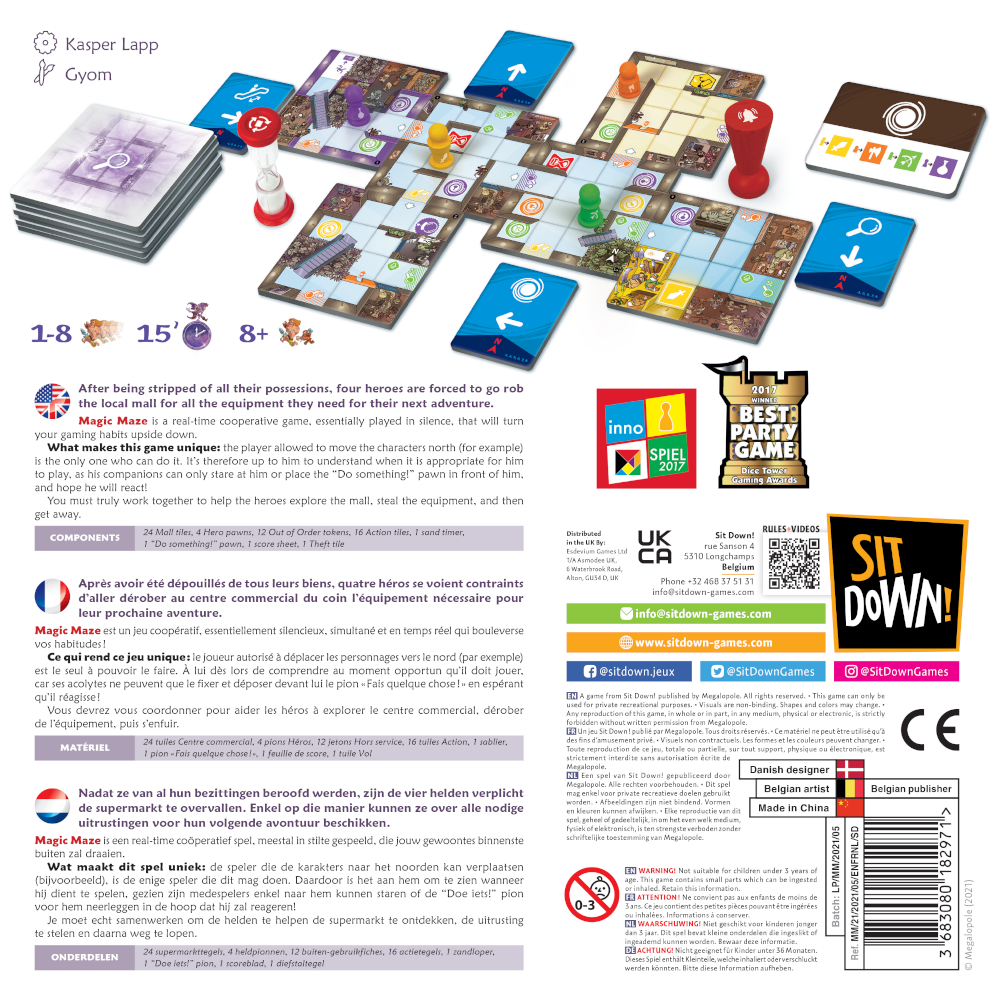
Magic Maze
| 1 to 8 players | 15 min | 7 years and up |
Magic Maze is a real-time cooperative game for 1 to 8 players, designed by Kasper Lapp and published by Sit Down! Four adventurers—a sorceress, a barbarian, an elf, and a dwarf—find themselves without equipment or money and have no choice but to rob the local shopping mall. Each player controls a unique action valid for all heroes, and the group must coordinate without saying a single word, against a 3-minute hourglass. Awarded the Spiel des Jahres in 2017, Magic Maze has become an essential cooperative game classic.


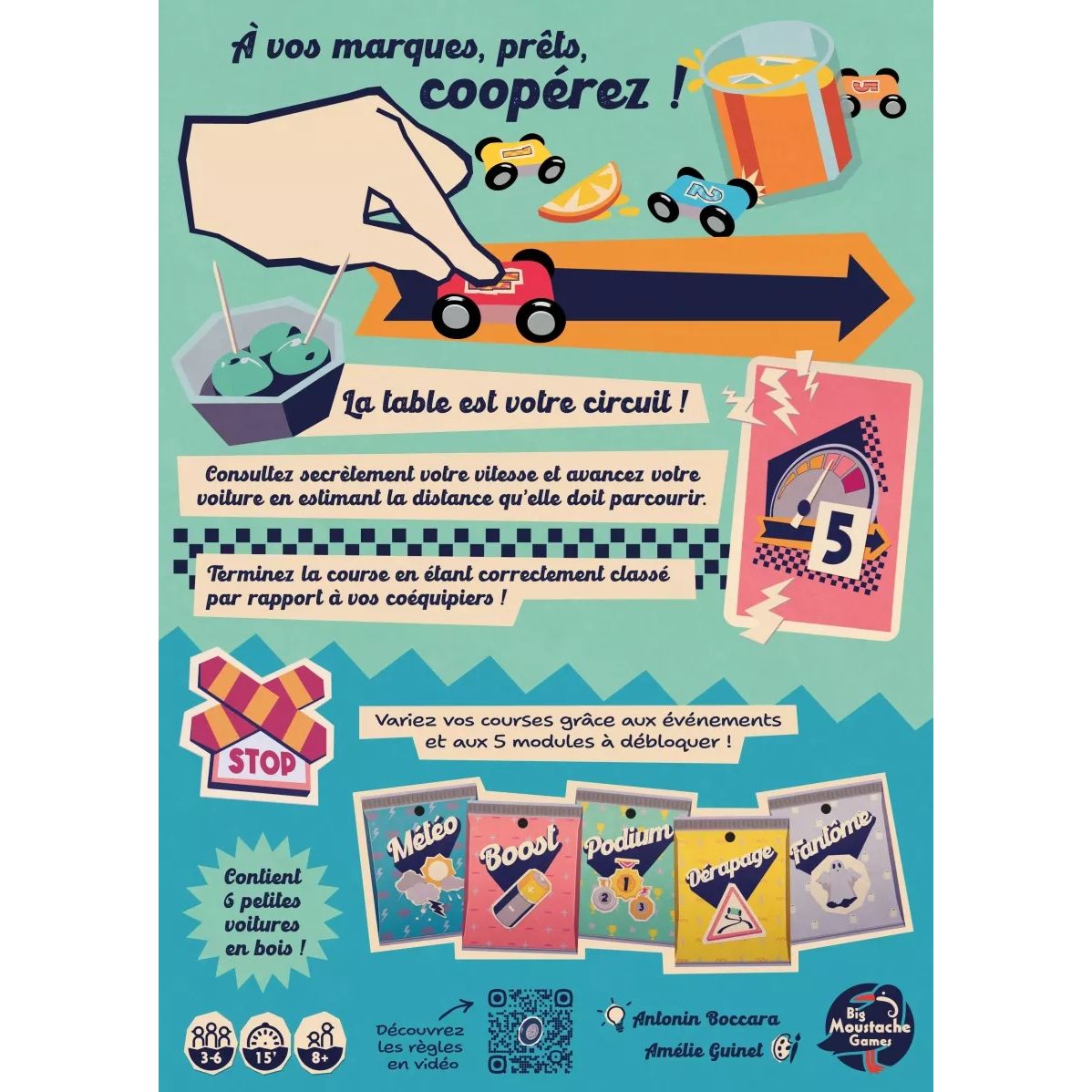
Vroom
| 3 to 6 players | 15 min | 8+ years |
Vroom is a cooperative racing game as original as it is wacky, in which players must manage to finish a race in the correct order. With no board, no squares, and no visual markers, each move becomes a real exercise in estimation and communication. Between intuition, observation, and bursts of laughter, this party game renews the experience with each game thanks to unpredictable events and modules to unlock as you win.



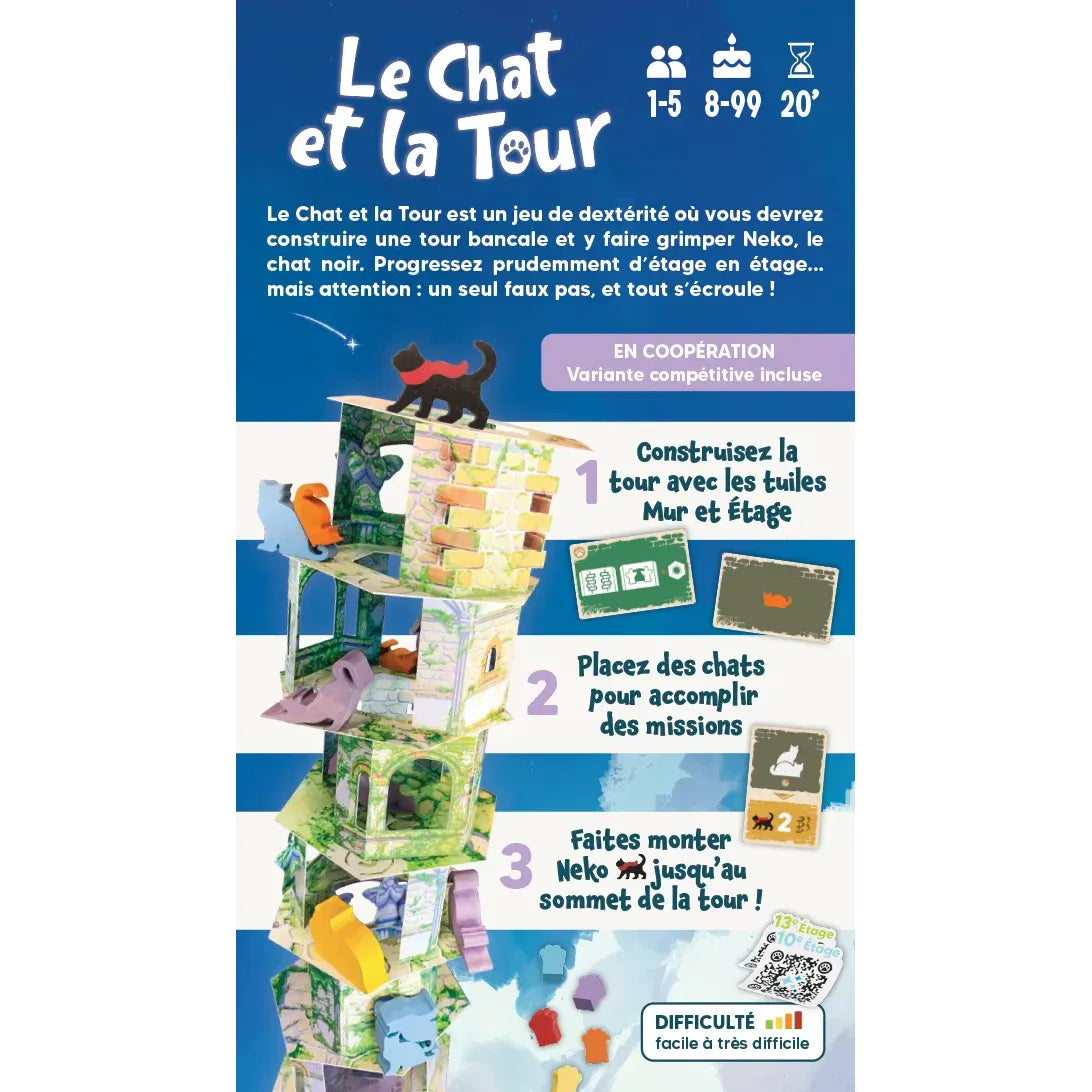
The Cat And The Tower
| 1 to 5 players | ~20 min | 8 years and up |
The Cat and the Tower is a dexterity and cooperative board game where players help each other build an unstable tower, assisting Neko, the black cat, in reaching the top without causing everything to collapse. Combining manual skill, tactile objectives, and increasing tension, this game offers an immersive playful experience that will appeal to families as well as enthusiasts of balancing challenges. Accessible from 8 years old, it offers simple mechanics while retaining interesting strategic choices.



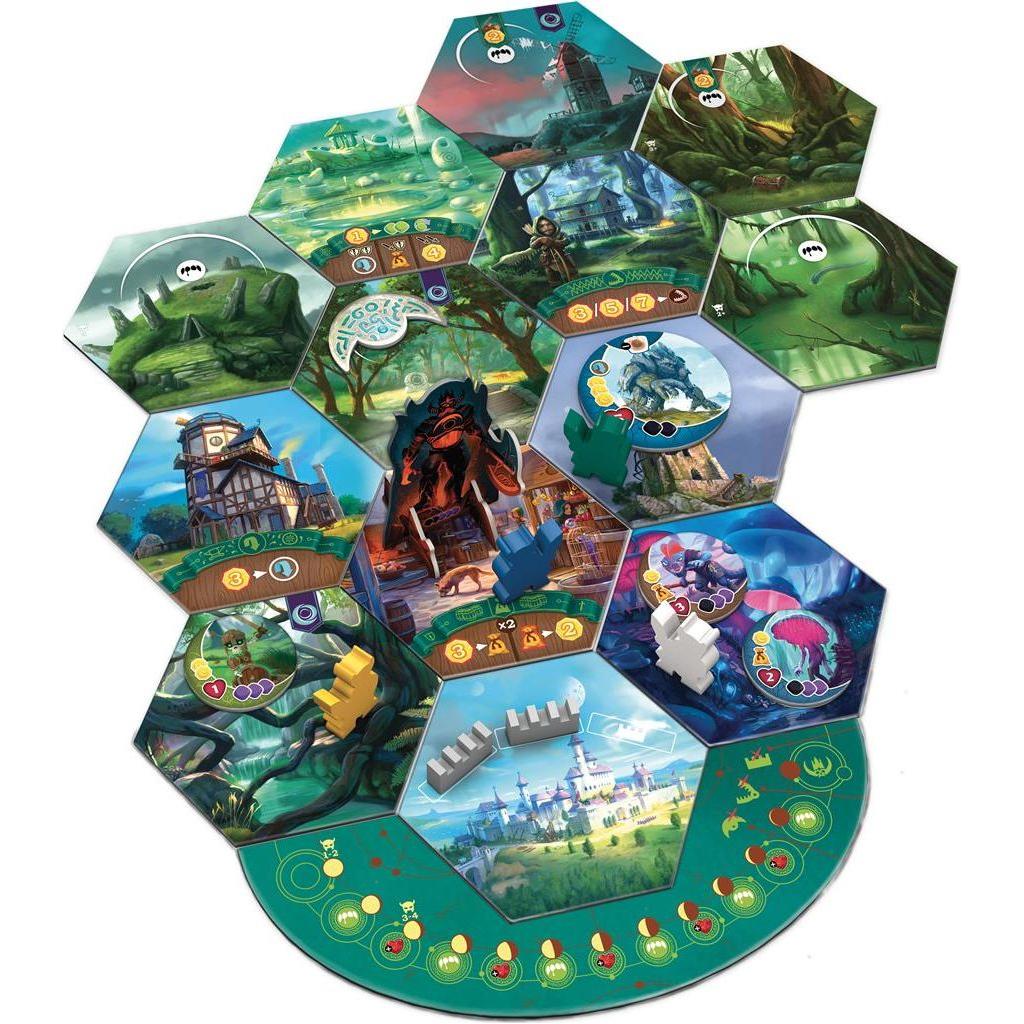
Chronicles of Avel
| 1 to 4 players | 60 min | Ages 8+ |
Chronicles of Avel is a cooperative exploration and tower defense game for 1 to 4 players, designed by Przemek Wojtkowiak and illustrated by Bartłomiej Kordowski. In the magical kingdom of Avel, the Black Moon has risen and its servants are swarming towards the Queen's castle. Each player embodies a hero they create, name, and illustrate themselves before setting off to explore modular lands, equip themselves by touch in a magic bag, and prepare for the final battle. A game at the crossroads of an introductory role-playing game and a family dungeon crawler, accessible from age 8 and with much more depth.


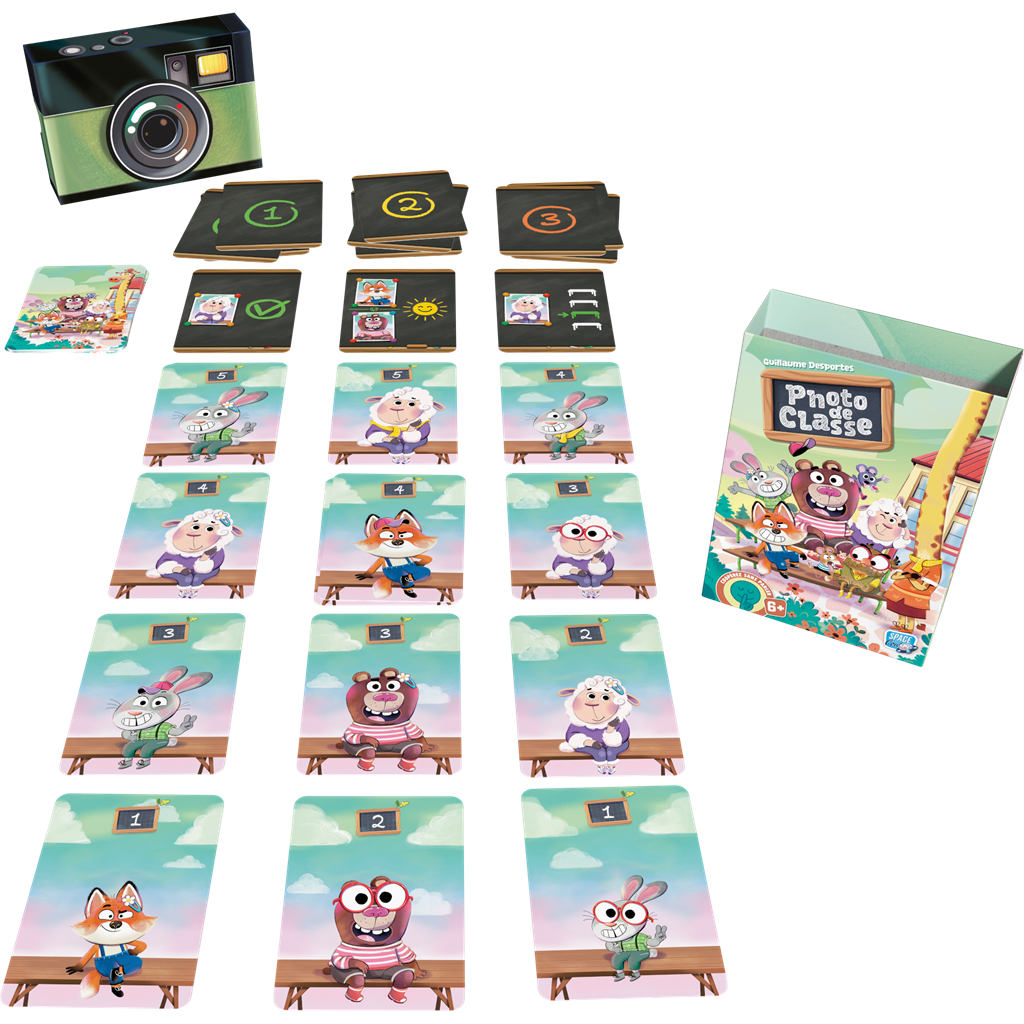
Class Photo
| 2 to 4 players | 10 min | Ages 6+ |
Class Photo is a cooperative children's game that is as clever as it is adorable, transforming a photo shoot into a real collective challenge. Players must place students in the right spot to achieve the perfect photo while respecting several constraints… but without being able to communicate freely. Between observation, logic, and deduction, each decision influences the entire group. Designed for children while remaining fun for adults, Class Photo offers evolving challenges that develop critical thinking and team spirit in a lighthearted and cheerful atmosphere.



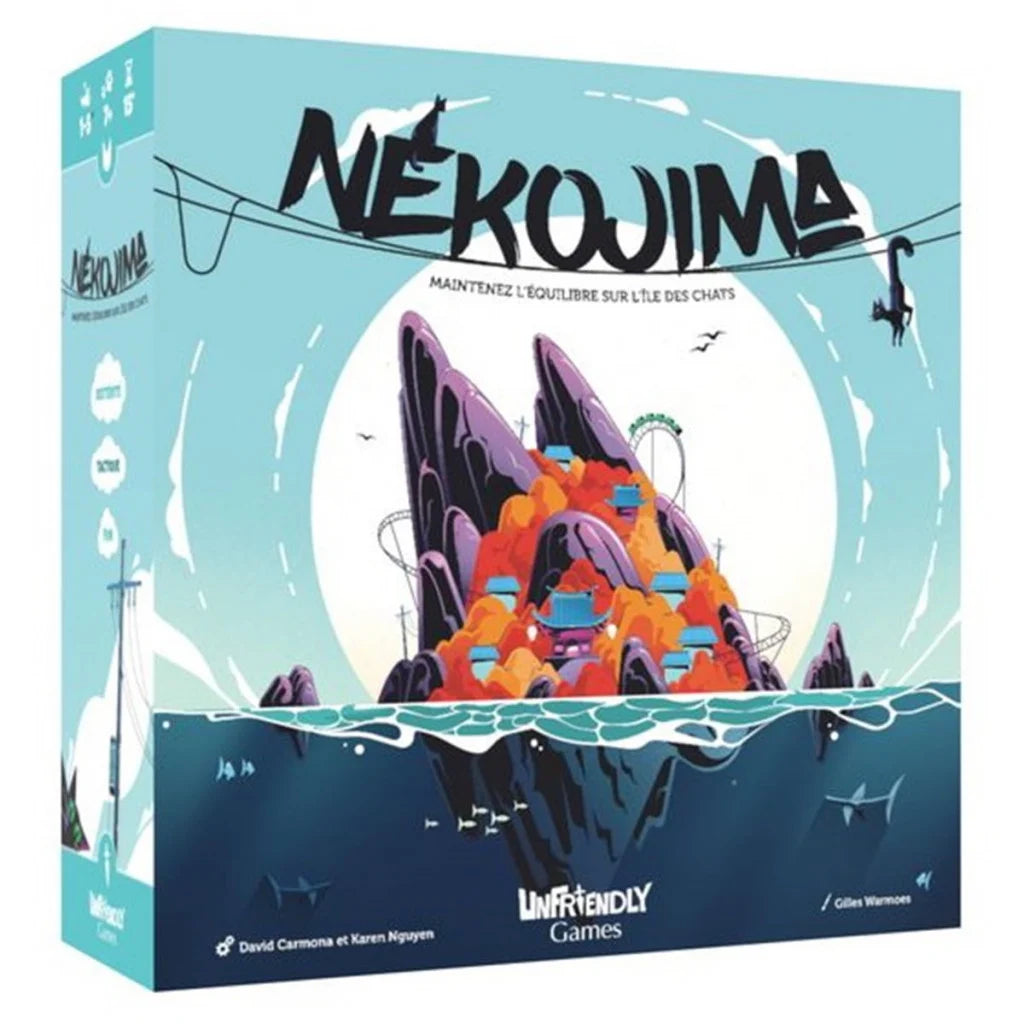
Cat Island
| 1 to 5 players | ~15 min | 7 years and up |
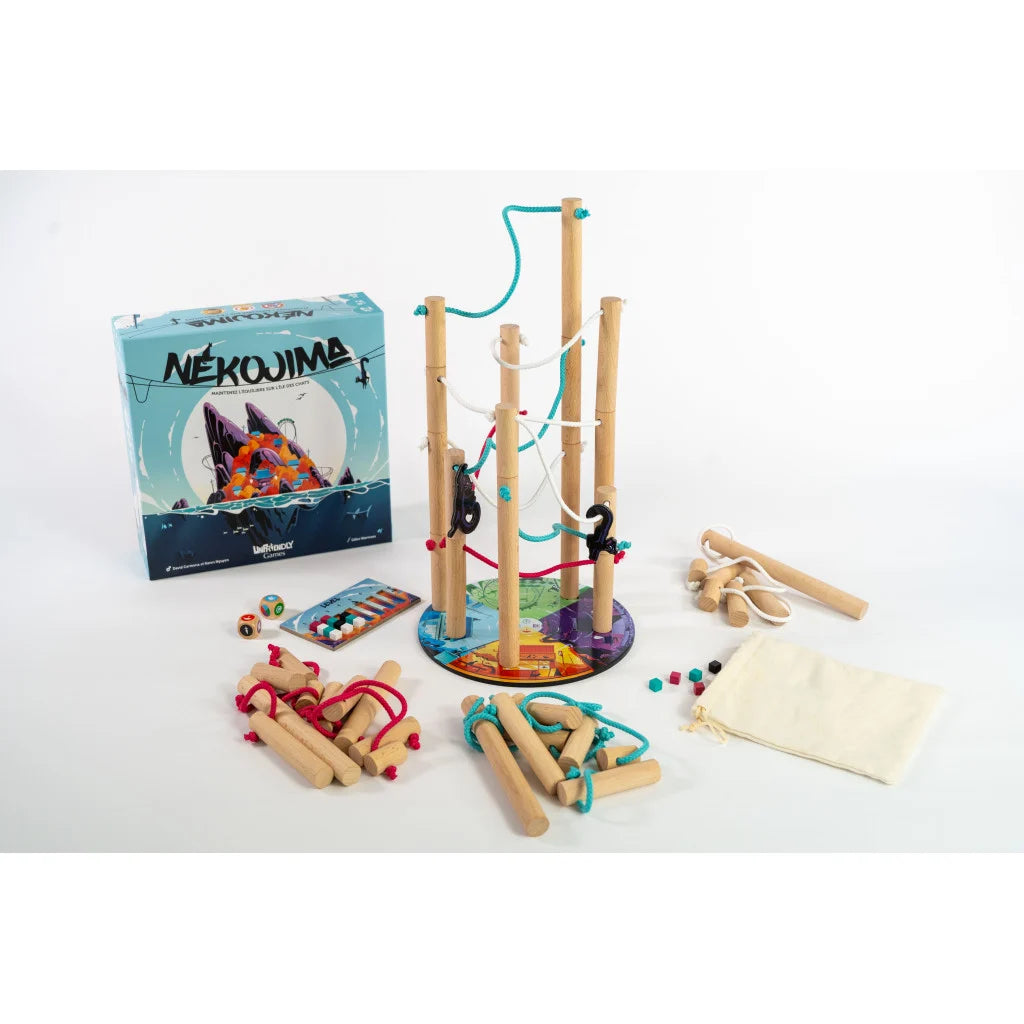
Discover Nekojima, a wooden party game and dexterity game where players must build an unstable power grid on an island populated by mischievous cats. Between balance, tension, and precision, each added piece makes the structure more fragile and spectacular.
The game offers a unique experience combining physical manipulation and strategic thinking, where the slightest mistake can cause everything to collapse. Accessible yet challenging, it appeals to both families and fans of dexterity challenges.

The Crew
| 3 to 5 players | 20 min | Ages 10+ |
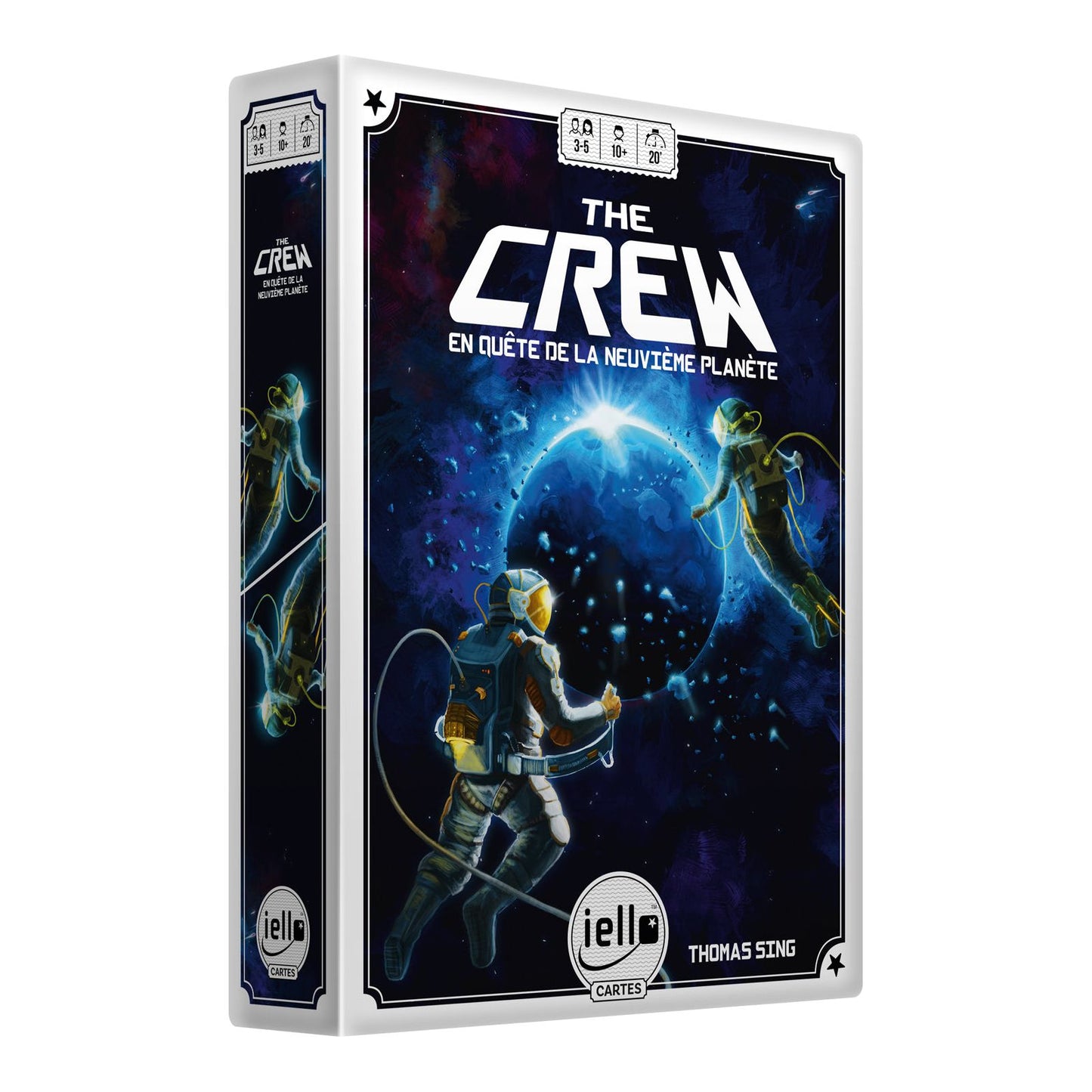
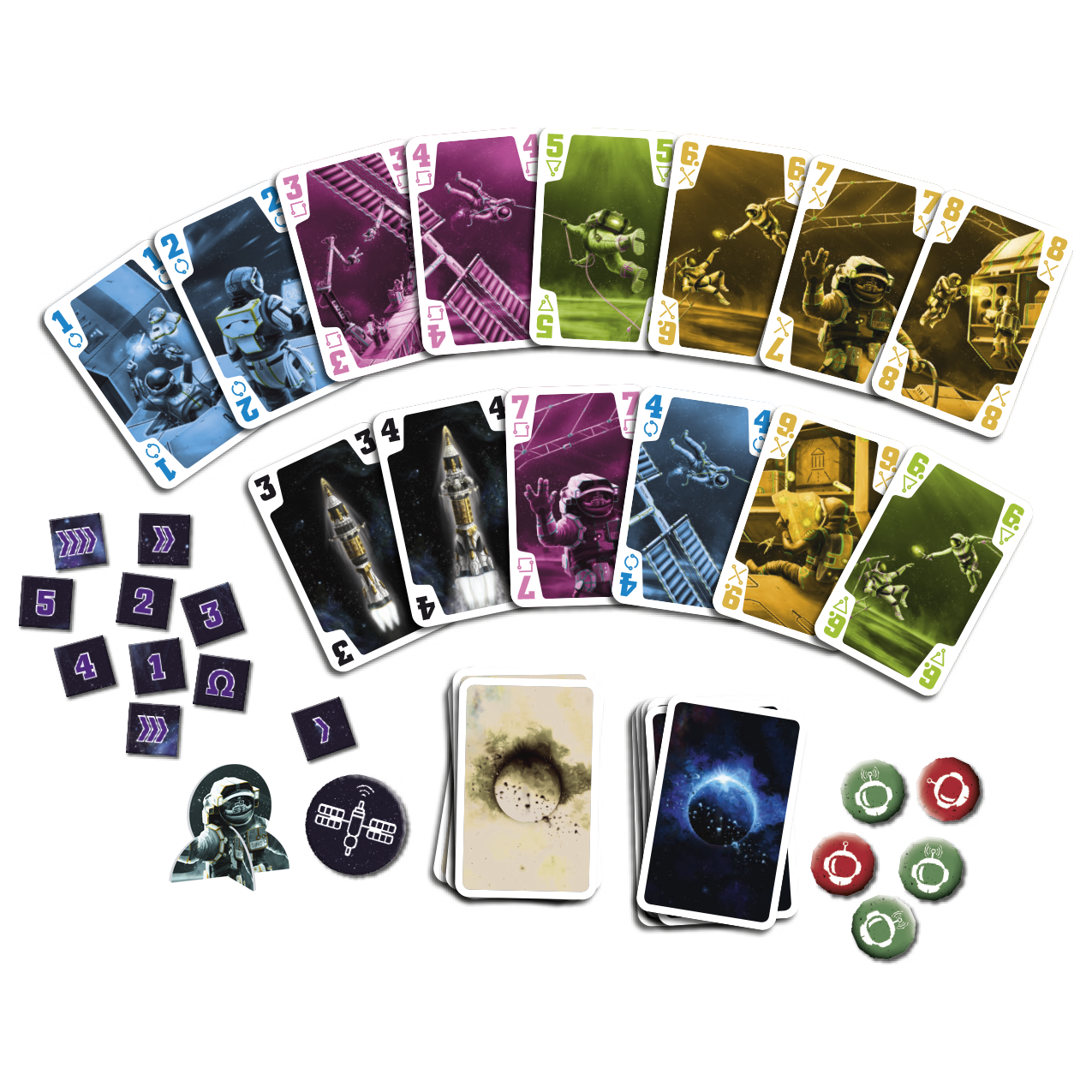
Awarded the As d'Or in the expert games category in 2021, The Crew is a completely addictive cooperative trick-taking game! Together, players will have to complete increasingly difficult objectives in each round. Each player has a hand of cards made up of numbers and colors, and can communicate in a limited way with their partners. For example, you will have to make sure that a player wins the pink 4, or wins the green 2, then the blue 3...etc. A clever game for the whole family.
Class Photo
| 2 to 4 players | 10 min | Ages 6+ |
Class Photo is a cooperative children's game that is as clever as it is adorable, transforming a photo shoot into a real collective challenge. Players must place students in the right spot to achieve the perfect photo while respecting several constraints… but without being able to communicate freely. Between observation, logic, and deduction, each decision influences the entire group. Designed for children while remaining fun for adults, Class Photo offers evolving challenges that develop critical thinking and team spirit in a lighthearted and cheerful atmosphere.

Mysterium Park
| 2 to 6 players | 30 min | Ages 10+ |
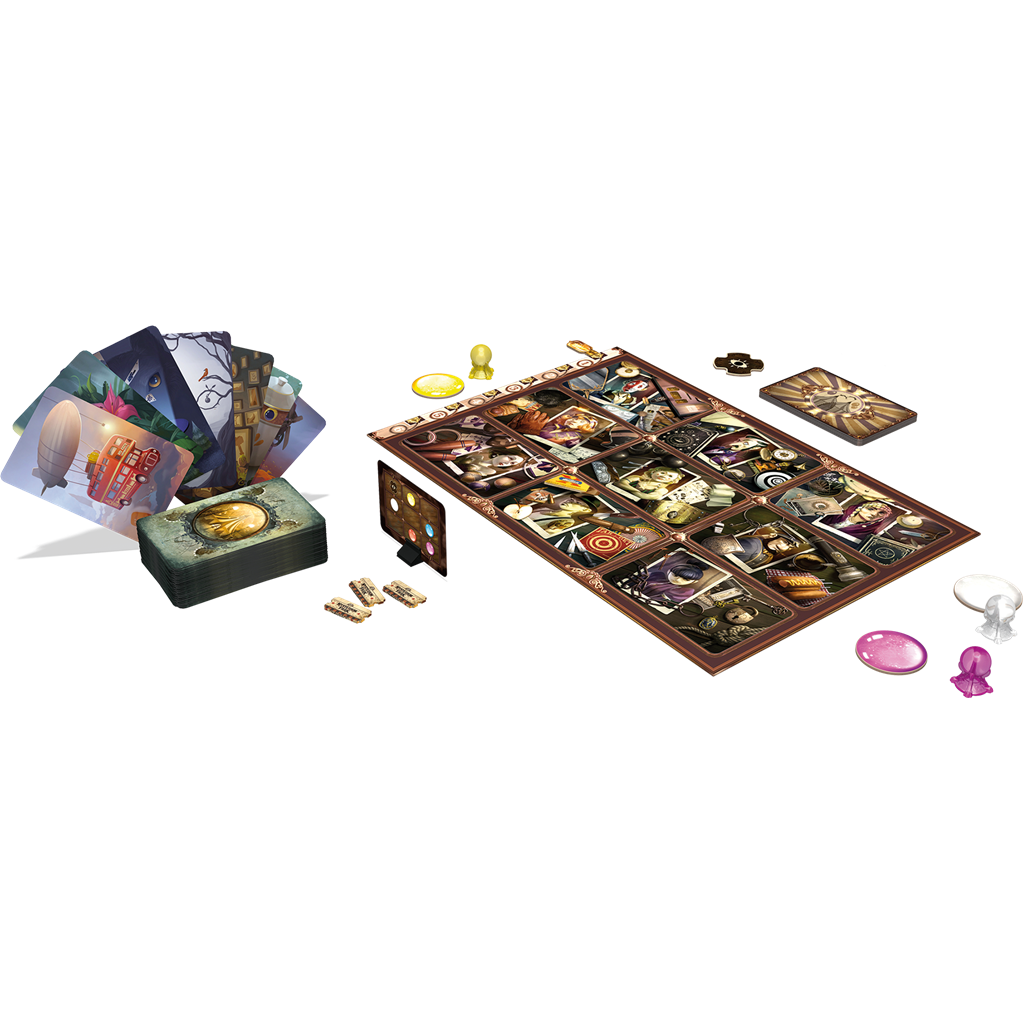
Mysterium Park is a cooperative game that captures all the investigative and interpretative atmosphere of Mysterium in a faster and more accessible format. An unexplained disappearance haunts an old amusement park, and only a ghost seems to know the truth. Using beautifully illustrated Vision cards, psychics must collaborate to clear suspects, explore locations, and discover what really happened. More compact and direct than its big brother, Mysterium Park retains all the magic of collective deductions and discussions around clues.


Unlock! Kids: Timeless Adventures
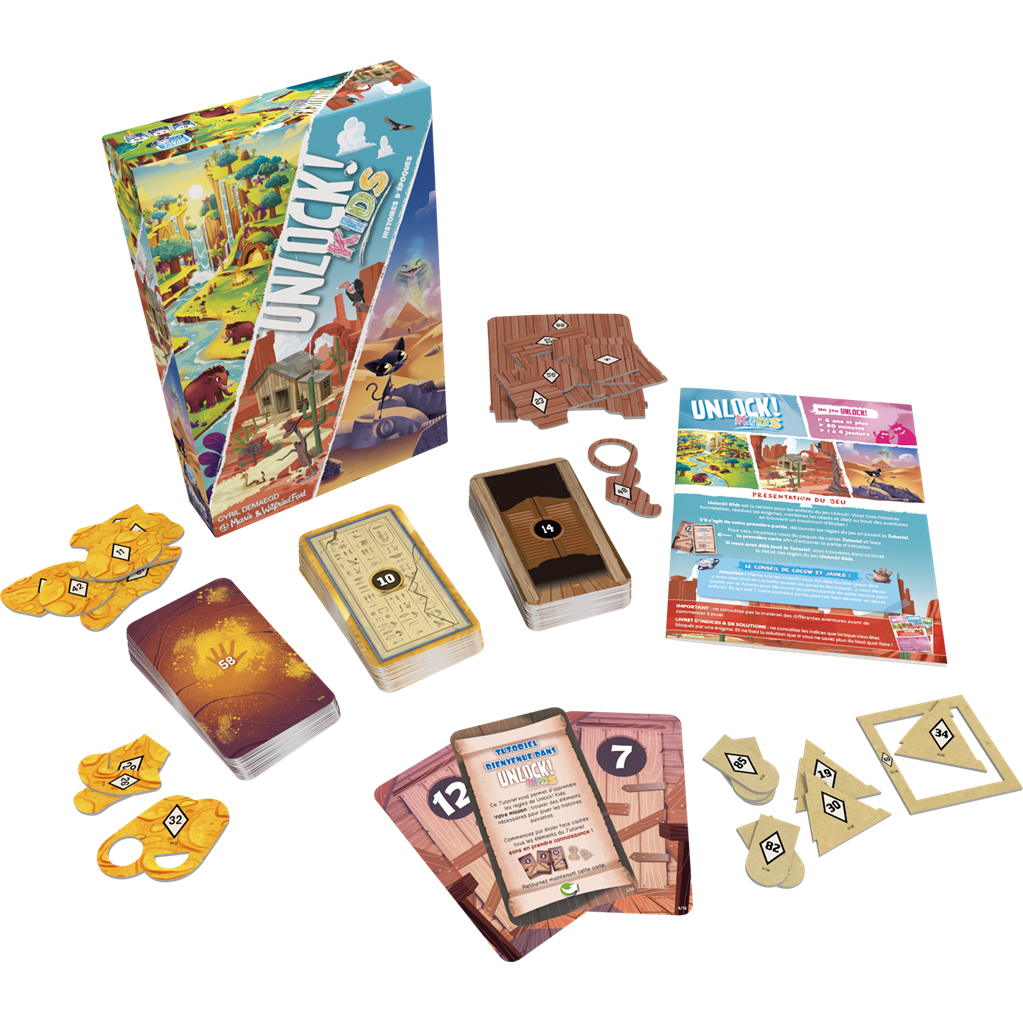
Unlock! for children, but also for parents! Solve escape games at home as a family. In this edition, children will travel through time, from prehistory to the Wild West, passing through ancient Egypt.
| 1 to 4 players | 20 min | 6 years and up |


Bandit Alcatraz
| 2 to 4 players | 15 min | 6 years and up |
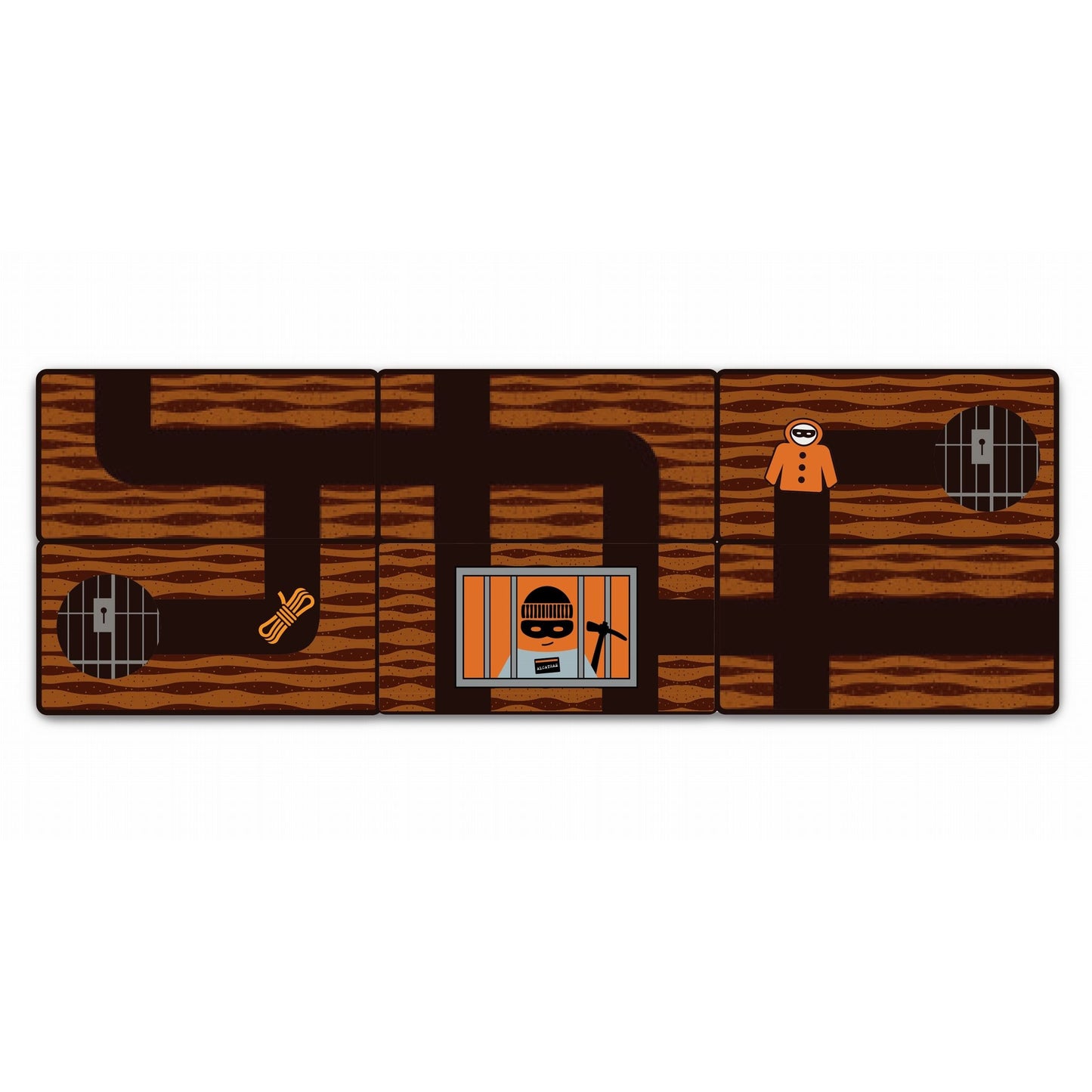
With Bandido Alcatraz, change your perspective in this cult cooperative game: this time, you're no longer trying to stop the bandit... but to help him escape! This special edition plunges you into an escape full of twists and turns in the heart of the famous Alcatraz prison. Thanks to a simple and fast card system, players must collaborate to build an effective tunnel while avoiding traps like rising water. Accessible, portable, and very addictive, this cooperative game is perfect for quick and intense games.


Similo Wild Animals
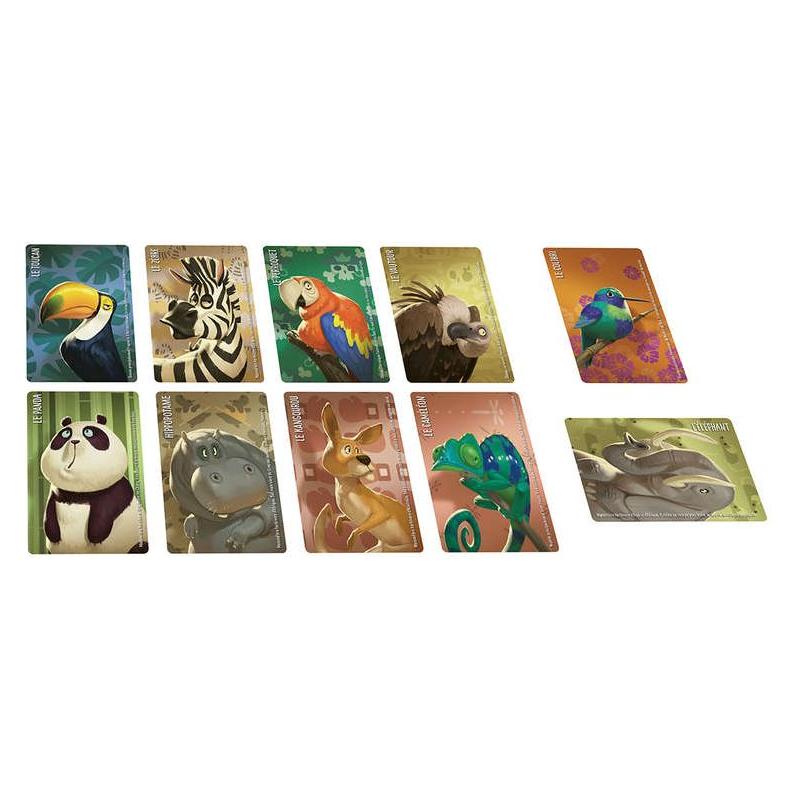
In Similo, one player must help others guess a character from 12 cards visible to everyone. In each round, a clue is given to the players, who must eliminate one or more characters by deduction until they find the correct one!
Wild Animals Edition.
| 2 to 6 players | 10 min | Ages 7+ |


Whispering Willows Hill
| 1 to 4 players | 30 min | Ages 5+ |
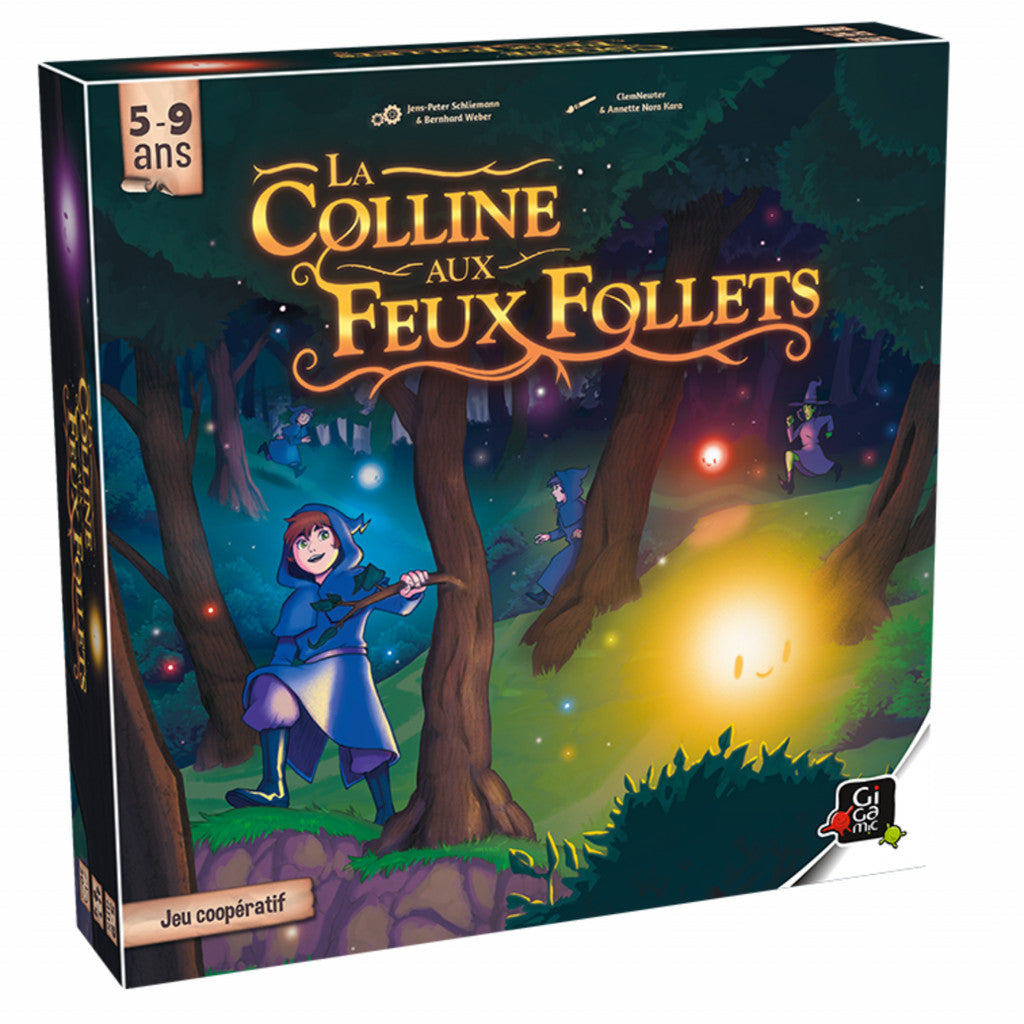
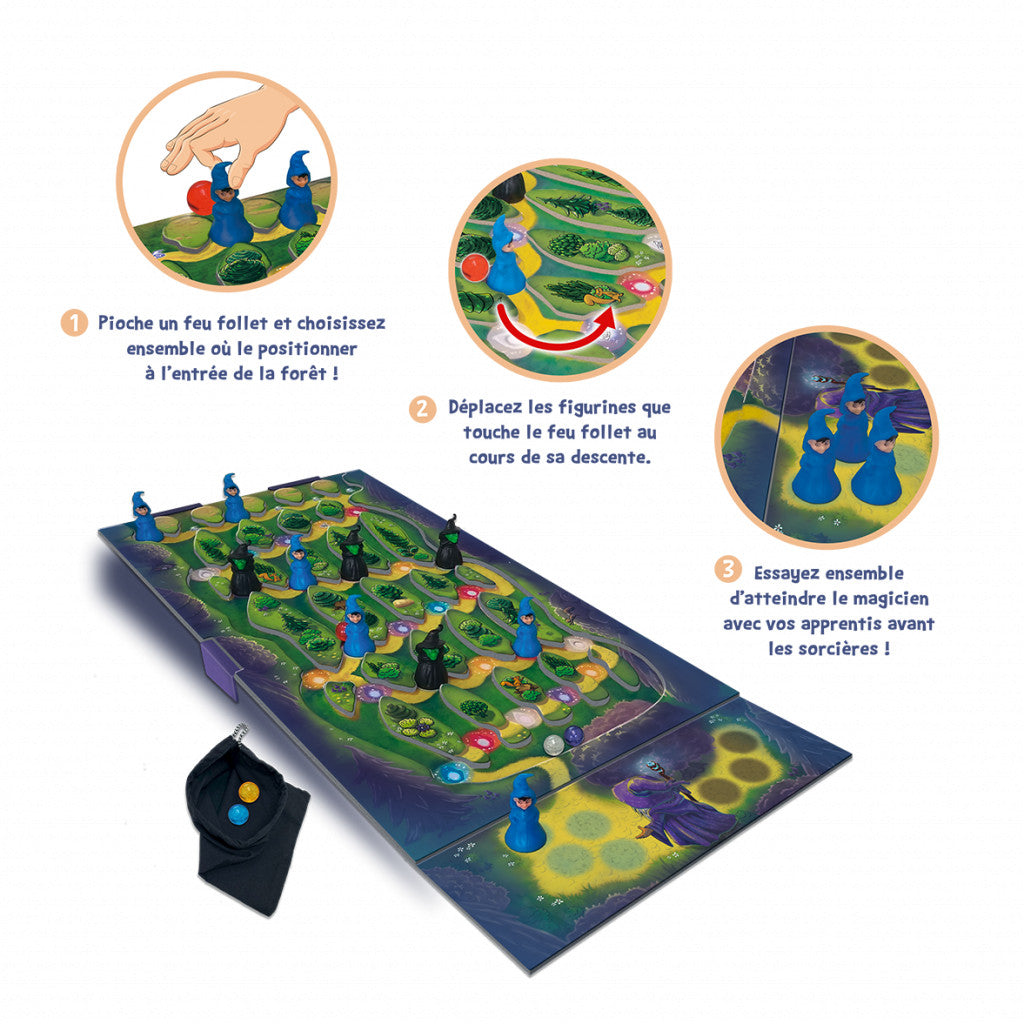
Dive into a magical world with Firefly Hill, a game of skill and logic where young and old compete to master the delicate balance of mysterious fireflies. Easy to learn but challenging to master, this game blends tactics, anticipation, and skill into an immersive playful experience.
Each game invites you to take on challenges while captivating the imagination with its enchanting theme and attractive components. Ideal for families or fans of games combining strategy and dexterity, this title promises enjoyable moments around the table.

Pretty cool
| 2 to 8 players | 30 min | Ages 10+ |
Trait Cool is a drawing game unlike any other: here, it's impossible to let your pencil run freely on the slate. Each player must represent a word by drawing only on the pre-printed dotted lines, turning each artistic attempt into a real graphic challenge. Cooperative and accessible from age 10, the game brings together 2 to 8 players for games lasting about 30 minutes, ideal for family or friends. Its originality and all-ages appeal led to its selection for the renowned Spiel des Jahres 2025, the highest global distinction in board gaming.


And there you have it!
| 2 to 4 players | 20 min | Ages 5+ |
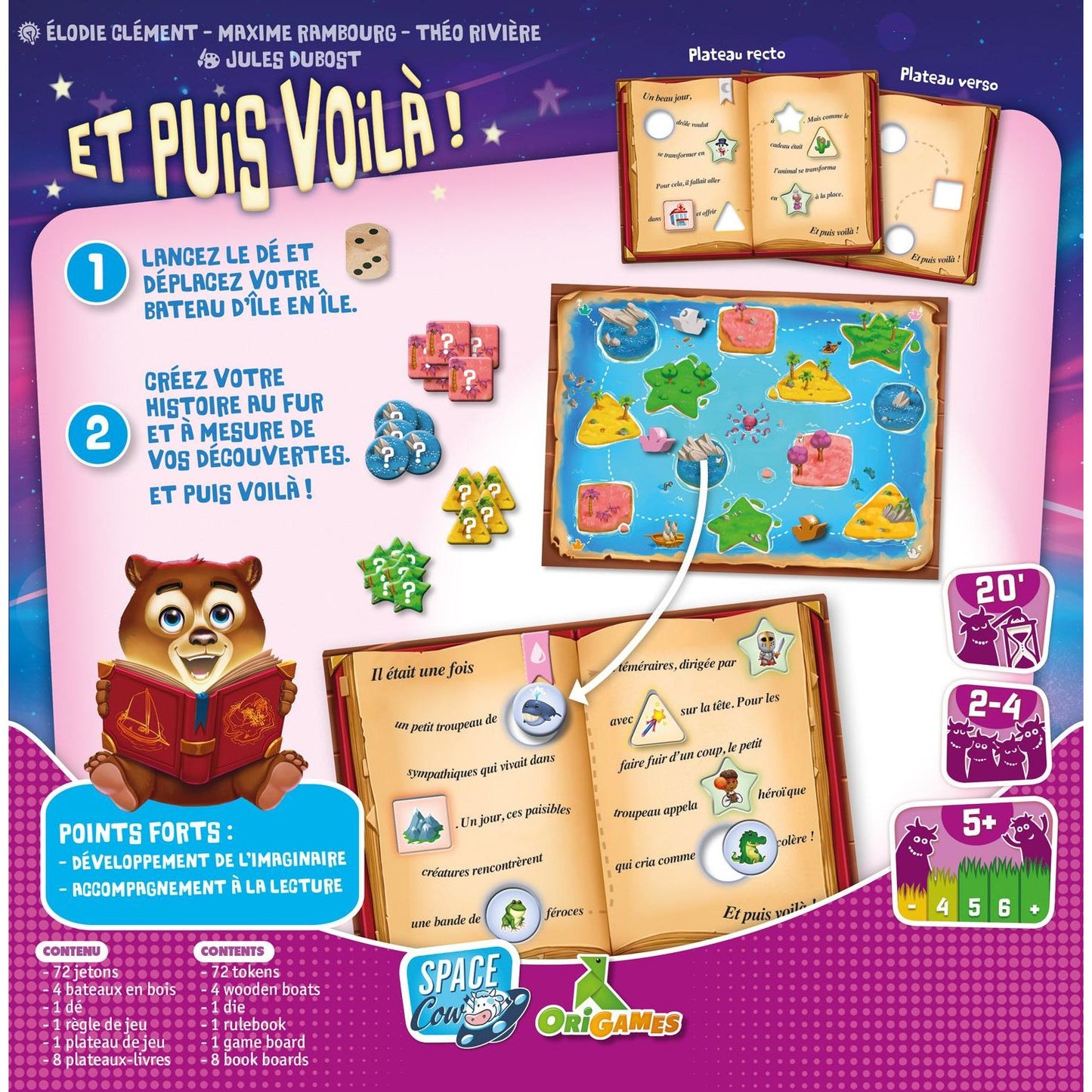
Et puis Voilà! is an original children's reading game that invites young children to create and tell their own stories. Combining imagination, discovery, and oral expression, children travel from island to island to collect elements and build a unique narrative. Fun and educational, this game stimulates creativity while supporting reading acquisition. A gentle and interactive experience, ideal for sharing a family moment.


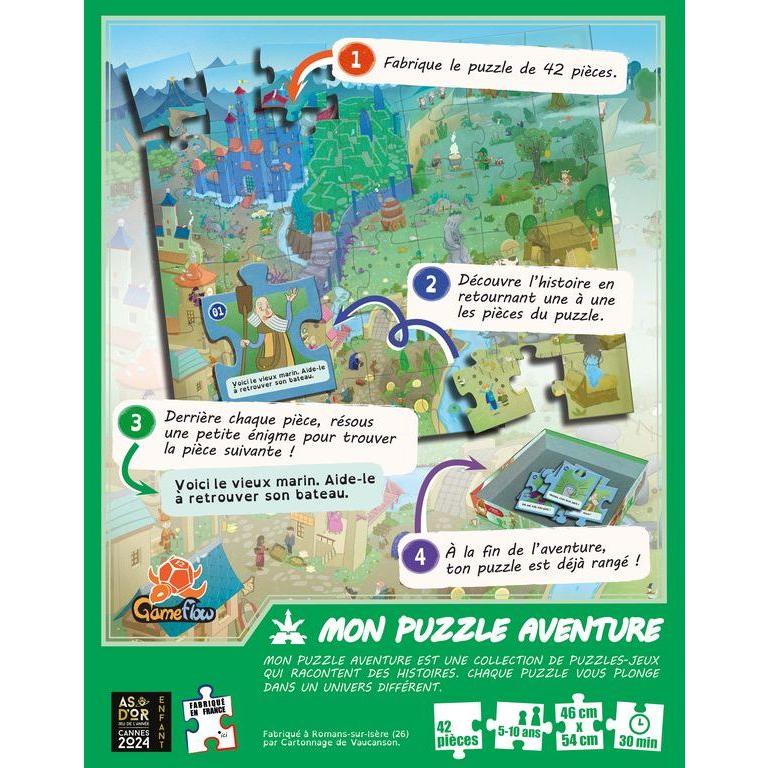
My Adventure Puzzle: Dragon
My Adventure Puzzle, awarded at the Cannes Games Festival 2024, reinvents the classic puzzle into an immersive adventure game for children. With each piece placed, a part of the story is told, giving clues for the next piece to find. Will you find the dragon?
| 1 + players | 30 min | Ages 5+ |

The Benefits of Cooperative Games for Children
Cooperative games hold a special place in a child's development. Unlike competitive games where each player tries to win over others, cooperative games place the entire group in the same situation: win together or lose together. This seemingly simple mechanism produces educational and social effects that educators and child development specialists have been documenting for several decades.
What cooperative play develops in children
The first benefit is communication. In a cooperative game, participants must express themselves, listen, and coordinate their actions to achieve a common goal. A child playing Hanabi cannot see their own cards: they depend entirely on the information their partners provide. This type of playful constraint naturally leads to precise language, active listening, and the ability to clearly rephrase information.
The second benefit is emotional management. Collective failure in a cooperative game is experienced differently from individual failure in a competitive game. When you lose together in Pandemic or The Game, there is no designated loser, no possibility of mockery, no shame. The child learns to experience frustration in a benevolent setting and to transform it into motivation for the next game. This is a fundamental emotional skill that cooperative play develops gently, without lectures or lessons.
The third benefit is self-confidence. Participating in a collective victory gives each player the feeling of having contributed to the group's success. A discreet child who would never have dared to make a decision in a competitive game finds in cooperative play a space to propose ideas, be listened to, and see their contribution valued by the entire team. This repeated experience builds self-confidence and a desire to act.
The fourth benefit is the development of critical thinking and problem-solving. Cooperative games pose collective challenges that require analyzing a situation, considering multiple solutions, and making decisions together. Magic Maze, for example, asks each player to move all the characters on the board but prohibits verbal communication: children must observe, anticipate, and synchronize without speaking. This type of cognitive challenge develops observation, coordination, and decision-making skills that few other playful activities allow to work on simultaneously.
Cooperative games and group cohesion
Beyond individual development, cooperative games create a positive group dynamic that strengthens bonds between players. A game of Mysterium Park around a family table produces moments of complicity and shared laughter that remain in memory long after the evening. Mutual aid becomes obvious in the game before becoming a reflex in real life.
Studies on cooperative play in a school context show that children who regularly play cooperative games develop better empathy, greater tolerance for frustration, and an increased ability to work in teams in non-playful situations. Cooperative play is not just a fun activity: it is an educational tool whose effects extend far beyond the game itself.
To discover our entire selection of cooperative games, you will find titles suitable for all ages and player profiles.

Cooperative games for children: how to choose according to age?
Not all cooperative games are created equal, depending on the age and profile of the players. A game that is too complex for an 8-year-old creates frustration and detracts from the collective experience. A game that is too simple for a group of teenagers generates boredom. The right cooperative game is one that places the group in the optimal zone: accessible enough for everyone to participate, challenging enough for victory to be meaningful.
Ages 6 to 8: The First Cooperative Games
At this age, children discover game rules and learn to coordinate with others. The ideal cooperative game for this group is short (15 to 20 minutes), based on a simple mechanic, and with little text to read.
Bandido Alcatraz is the benchmark for this age. The principle can be summed up in one sentence: place cards to block all of a prisoner's escape tunnels before the draw pile runs out. No reading, rules explained in two minutes, and tension that naturally builds with each card played. Similo Wild Animals works on the same level of accessibility: one player gives clues using animal cards, and the others try to guess the mystery character. Communication through observation and interpretation appeals to both children and parents.
Unlock! Kids is specially designed for the first cooperative investigation games. The app guides players and adapts the difficulty, which avoids blockages and maintains enthusiasm even on the most complex puzzles.
Ages 8 to 12: The Core of the Selection
This is the age group richest in quality cooperative games. Children aged 8 to 12 can assimilate more complex rules, reason as a team, and appreciate the strategic depth of a game.
Magic Maze is arguably the best cooperative game for this group. Each player can only move characters in a direction defined by their card, and verbal communication is forbidden. This constraint generates unique tension and produces memorable games. The Game is in the same register of accessibility but in an ultra-simple card format: how can all players place their numbered cards in the correct order when others cannot see your hand? A pure communication challenge that never gets old.
Chronicles of Avel is the ideal choice for families who want a narrative adventure experience. Characters are drawn and colored by players, pawns are sized for small hands, and games last about an hour. It is the first major cooperative game for many families, and it perfectly delivers on that promise.
Micro Macro Crime City Full House offers a giant map covered with tiny details where the whole family searches for clues to solve crimes. No turns, no competition: just collective observation and the joy of discovering hidden details together. A format accessible from age 10 that also works very well with adults.
From 10-12 years old: Towards More Depth
The Crew is a cooperative trick-taking game where players must complete missions by playing their cards in the correct order, without showing each other their hands. The progression through 50 missions creates a sense of adventure and advancement that makes the game addictive. Mysterium Park adds a dimension of visual interpretation: a ghost player communicates with others only via illustrated cards. An original format that develops non-verbal communication and fine observation.
Pandemic remains the strategic benchmark for this age group. Players embody specialists who must halt four global epidemics by managing limited resources. The complexity is real, games are tense, and victory, though rare, is all the more satisfying.
To delve deeper into cooperative games for all profiles, our article Top 25 Best Cooperative Gamesoffers a comprehensive selection including titles for experienced players.
How to organize a first cooperative game session with children?
Choosing the right game is a first step. Knowing how to introduce and facilitate it properly is another. A botched first game can discourage a child for a long time. A few simple principles ensure that this first cooperative experience is positive and makes them want to play again.
Choosing the right time and the right group
The first parameter is group size. Most cooperative games work best with 2 to 4 players for a first game. With more than 4 children, some participants become passive and disengage from the game. If the group is larger, set up two tables with two different games rather than one crowded game.
The second parameter is the group's energy level. A cooperative game requires concentration, listening, and communication. Offering a first game to overexcited or tired children is a classic mistake. The best time is a quiet afternoon or early evening, after a snack, when the group is mentally available.
The third parameter is age homogeneity. An age gap of more than 4 or 5 years between players often creates an imbalance where older players dominate decisions and younger ones follow without truly participating. If ages are very disparate, choose a game with a rotating "team leader" role that gives each player a moment of responsibility.
Explaining the rules without losing the group
Explaining the rules is the most delicate moment of a first cooperative game with children. Too long, it makes them sleepy. Too short, it creates confusion during the game.
The most effective method is the "test game": explain the basic rules in two minutes, start a 5 to 10-minute practice game where mistakes are allowed, then restart the real game once everyone has understood the essentials. This two-step approach is particularly suitable for games like Hanabi or The Crew, where the basic principle is simple but the strategy is discovered through play.
For games with accessible written rules like Chronicles of Avel or Unlock! Kids, reading the rules together before the game is a good habit to adopt. This involves children in the preparation and creates a sense of collective responsibility towards the rules.
Managing group dynamics during the game
The main pitfall of cooperative play with children is the dominant player who makes all decisions for others. This behavior is not always intentional but it deprives other players of their active role and transforms the cooperative game into an observed solo game.
To avoid this situation, two simple rules work well. The first is the "speaking time" rule: before making a move, each player expresses their idea aloud. The final decision belongs to the player whose turn it is, not the most experienced in the group. The second is the role rotation rule: in games where a player has a special role (the ghost in Mysterium Park, the clue giver in Similo), this role changes each round so that everyone experiences both sides of the communication.
Finally, don't hesitate to adapt the difficulty for a first game. Most cooperative games offer difficulty levels or simplified variants. Starting with the easiest level guarantees a first victory that makes them want to play again with a higher challenge. This progression through success is fundamental for cooperative play to remain a positive activity in family life.
To explore other formats suitable for family evenings, ourcollection of aperitif and dice gamesoffers light alternatives perfect for complementing an evening after a longer cooperative game.
FAQ: Cooperative Games for Kids
What are the best cooperative games for kids aged 8 and up?
The best cooperative games for children aged 8 and up are Magic Maze, Hanabi, The Game, and Chronicles of Avel. These four titles combine accessible rules, a reasonable game duration (20 to 60 minutes), and sufficient strategic depth to maintain long-term interest. For younger children aged 6 and up, Bandido Alcatraz and Unlock! Kids are the most suitable entry points. Our entire selection is available in our cooperative games collection.
If your group is limited to two players, some cooperative formats become even more intense. Our guide to 2-player cooperative gamesoffers a selection of 15 titles designed for duos, from quick 20-minute games to strategic challenges lasting an hour.
What are the benefits of cooperative games for children?
Cooperative games develop communication, emotional management, self-confidence, and critical thinking skills in children. By placing all players on the same side, they eliminate the pressure of individual defeat and create a supportive environment for making decisions, expressing ideas, and learning from mistakes. Socially, they strengthen group cohesion, foster empathy, and teach mutual aid in a fun and natural way.
How do you play a cooperative game with children who have never played before?
For a successful first game, choose a short game with few rules, such as Bandido Alcatraz or The Game. Explain the rules in two minutes, start a practice game without scoring, then begin the real game. Avoid games with a lot of text to read and prefer visual or intuitive mechanics. The goal of the first game is not to win, but to understand the principle of cooperation and want to play again.
At what age can children start playing cooperative games?
The first cooperative games are available from age 4 with very simple formats based on observation and motor skills. From age 6, games like Bandido Alcatraz or Similo introduce a real strategic dimension while remaining accessible. From 8 to 12 years old, the selection expands considerably with titles such as Magic Maze, Chronicles of Avel or Micro Macro. From 10-12 years old, more complex games like The Crew or Pandemic provide the strategic depth that more experienced players are looking for.
How to organize a cooperative game in a group or class?
To organize a cooperative game in a group, limit the number of players per table to a maximum of 4 for a first experience. Designate a facilitator to explain the rules and officiate without actively participating in the game. Introduce a role rotation rule so that each child has a moment of responsibility. Choose a game with an adjustable difficulty level to adapt the challenge according to the group. The goal is for each participant to leave with the feeling of having contributed to the collective experience.
Which cooperative games help a child build self-confidence?
The most effective cooperative games for building self-confidence are those that give each player a unique and indispensable role. Mysterium Park, where one player is the only one who knows the solution and must guide the others through images, puts the child in a valuing position of responsibility. Hanabi, where everyone depends on information given by their partners, develops trust in the judgment of others. Finally, Unlock! Kids values children who spot details or propose solutions that adults might not have seen.