

Top 15 Detective Games for Adults
You're in the mood to play detective, but when faced with the "mystery games" section, your mind goes blank. Escape games, narrative investigations, pure deduction: they all look the same in the box, but are very different in practice. As a result, you buy the wrong format for your group, the evening is disappointing, and the game ends up on the shelf after just one play.
At Le Loufoque, a board game bar and store in Paris with over 800 references, including a wide selection of mystery and escape games, we see every week which titles truly captivate adults and which create frustration because they weren't well chosen. This top 15 is built on this field experience: games verified in stock, tested in real conditions, selected for adult groups who want an immersive and memorable evening.
Here you'll find the essentials recommended by the entire community, the classics that defined the genre, and our unusual favorites for those who want to go further. And because a list isn't enough, we also explain how to choose the right format for your group and how to transform your living room into a real investigation room.

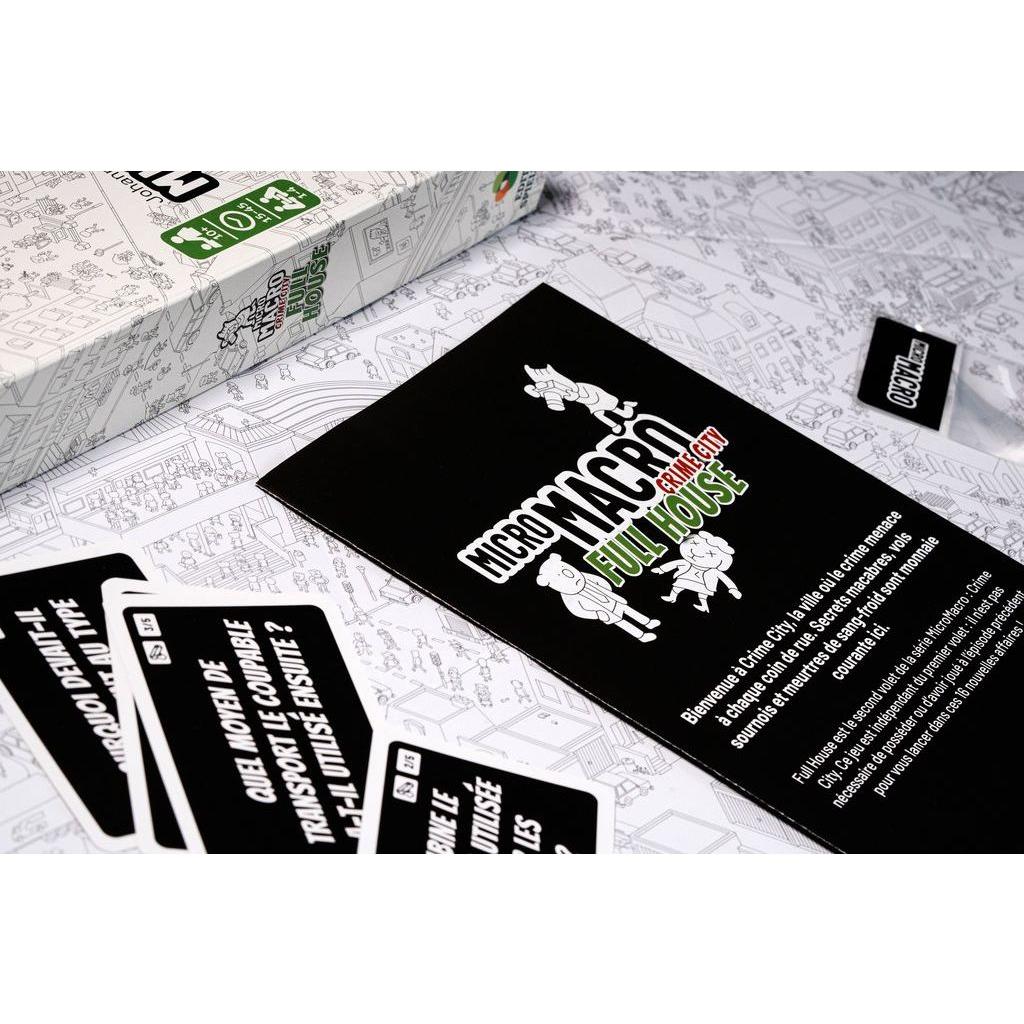
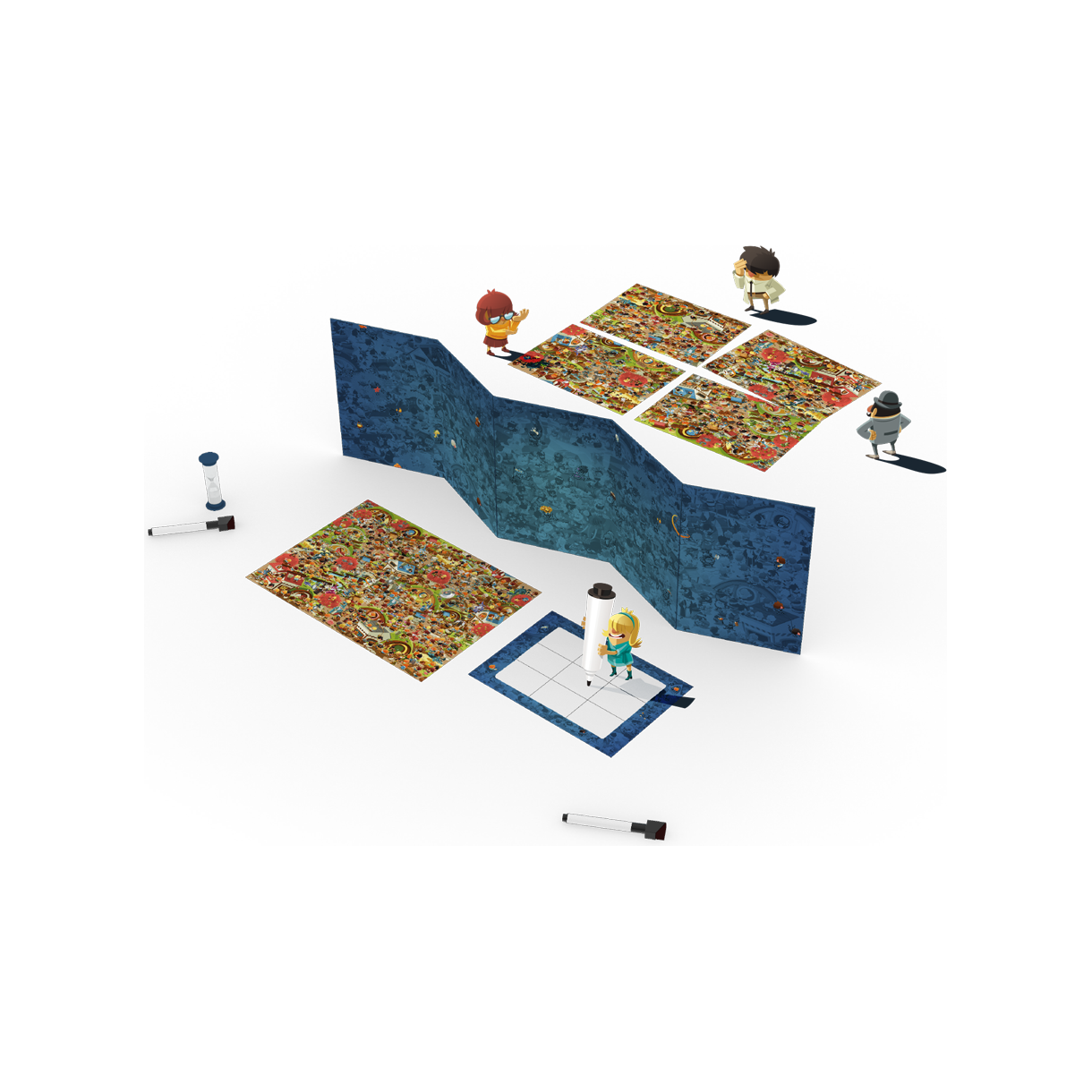
Micro Macro Crime City - Full House
| 1 to 4 players | 30 min | 10 years and up |
Immerse yourself in Micro Macro Crime City – Full House, a captivating cooperative investigative game where every detail counts. In this new, even richer giant map, you play as detectives tasked with solving criminal cases by meticulously observing the city.
Combining deduction, logic, and observation, each investigation plunges you into a unique story. This second standalone installment offers new mysteries and an even more immersive experience for solo or team play.


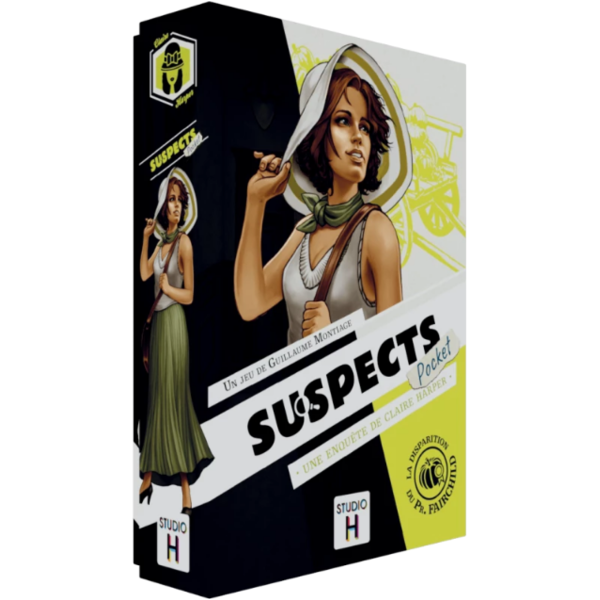
Suspects: Professor Fairchild's Disappearance
The Suspects experience in a more portable and accessible format!
Alone or with others, discover rich plots with well-developed characters in the style of Agatha Christie novels. In this box, you'll find a thrilling investigation featuring the brilliant Claire Harper in the heart of Yorkshire, set against the backdrop of the deep British countryside...
| 1 to 6 players | 90 min | 10 years and up |

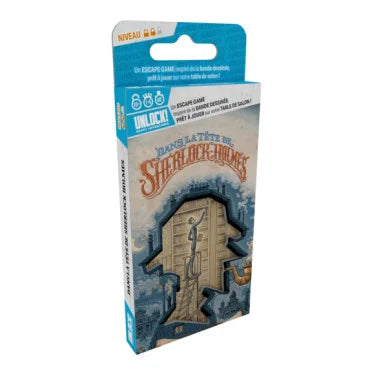
Unlock! Short Adventures: In Sherlock Holmes' Head
Discover Short Adventures and enjoy all the fun of the Unlock! game in a shorter, but just as captivating format!
Dive into complete adventures lasting 30 to 45 minutes, with three difficulty levels, all in a practical, take-anywhere case.
Unlock! is a cooperative card game inspired by escape games. Each case contains an independent adventure made up of 30 cards.
In this intermediate-level scenario, relive an original story in the world of comic books.
| 1 to 6 players | 30 min | 10 years and up |

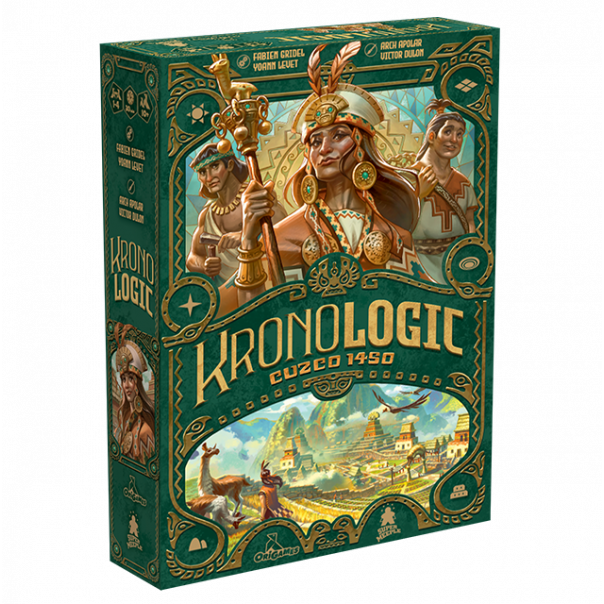
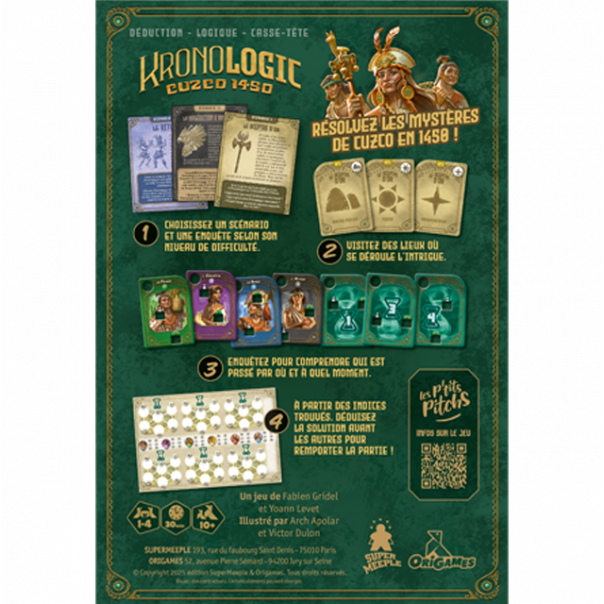
Kronologic: Cuzco 1450
| 1 to 4 players | 30 min | 10 years and up |
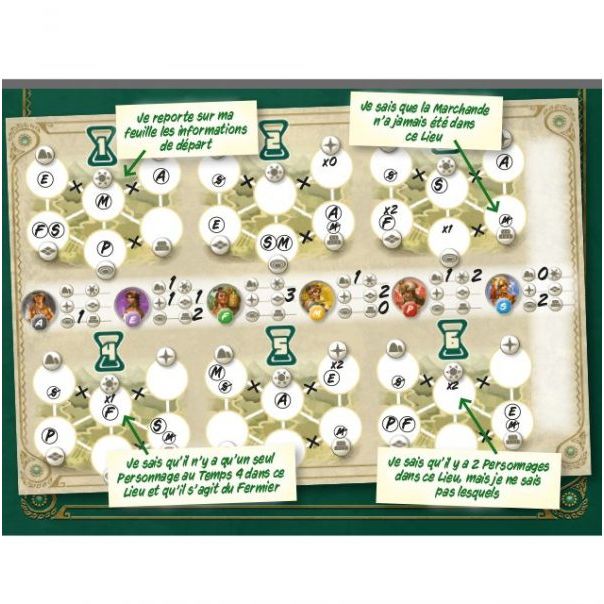
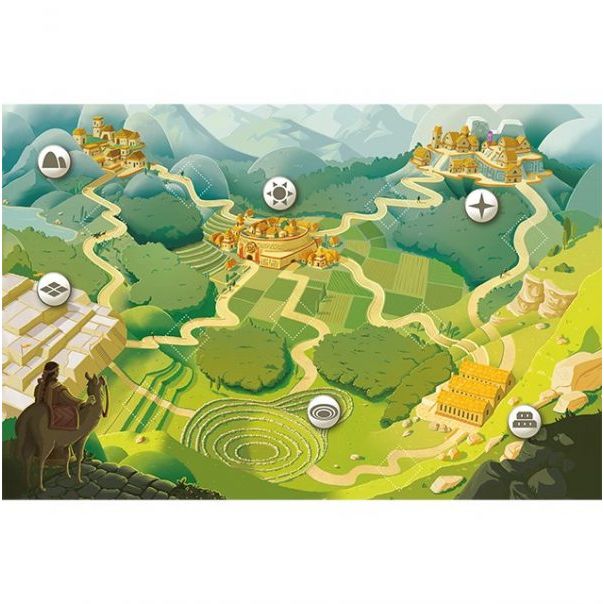
Kronologic: Cuzco 1450 is a captivating deduction board game that transports you to the heart of the Inca city of Cuzco in the 15th century, during the height of the Inca Empire. In this game, which blends pure logic and historical immersion, you play as a detective determined to solve complex mysteries by cleverly cross-referencing clues about time, characters, and locations.
Quick to learn yet deep in its gameplay, each investigation offers a unique and stimulating challenge for puzzle enthusiasts. Perfect for cerebral game nights, whether solo or with others, Kronologic: Cuzco 1450 provides an original experience in the world of puzzle games.


Hidden Games - On the Edge
| 1 to 6 players | 180 min | 14 years and up |
Immerse yourself in the captivating investigation of Hidden Games – On the Edge, a thrilling cooperative adventure for 1 to 6 players. During a performance at Monelli Circus, a tragic accident occurs, but everything suggests it's not just an ordinary accident.
You and your fellow investigators will need to sift through files, evidence, and digital testimonies to unravel this mystery. This game combines realistic documents, digital media, and team reflections for a fully immersive experience.



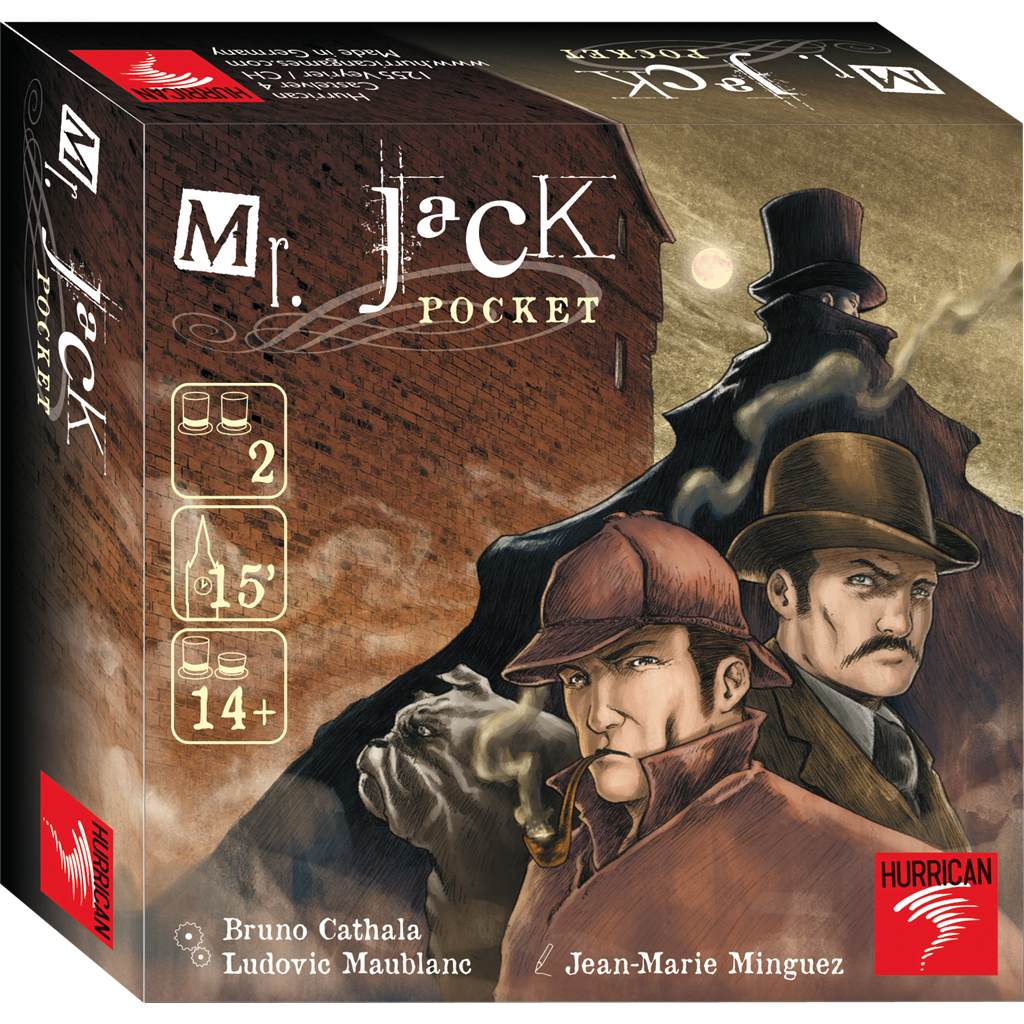
Mr. Jack Pocket
| 2 players | 20 min | 15 years and up |
Mr Jack Pocket is a two-player game that has become a benchmark for asymmetric dueling and deduction. In the alleys of Whitechapel, one player embodies the investigator tasked with unmasking Jack, while their opponent tries to remain hidden until they can escape. Compact, fast, and particularly clever, this pocket format captures all the tension of the Mr Jack series in a more frantic and accessible experience. Between observation, manipulation of the terrain, and reading the opponent's intentions, each decision brings you closer to victory… or to the perfect escape.

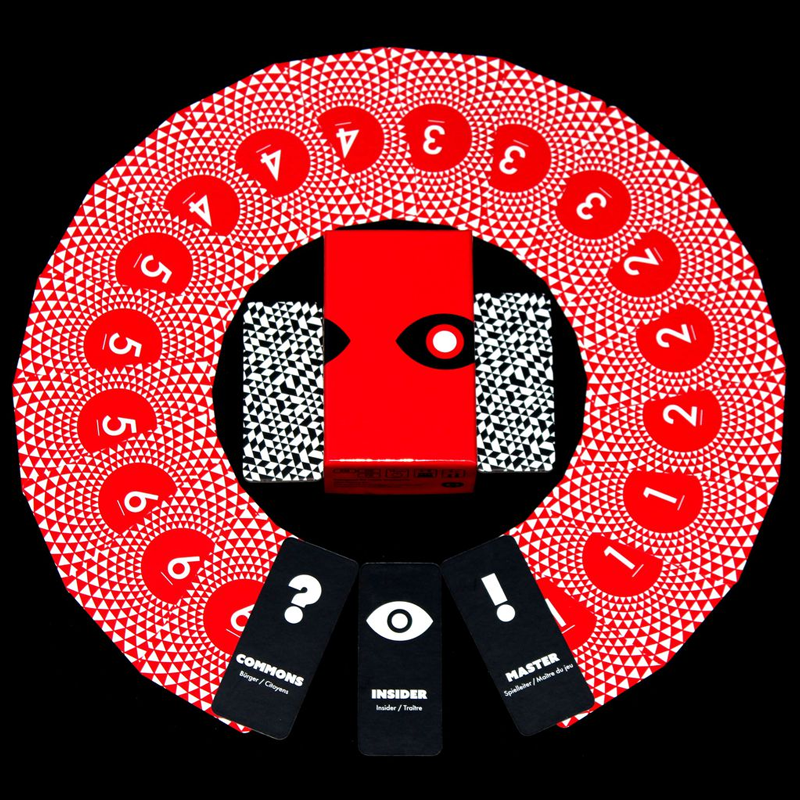
Insider
| 4 to 8 players | 25 min | 9 years and up |
Insider is a party game combining quiz, social deduction, and hidden roles. In this minimalist game from Oink Games, players must find a secret word while unmasking a traitor among them (the Insider) who already knows the answer and tries to manipulate the conversation. The atmosphere is both collaborative and deceptive, ideal for evenings with friends or family, with short and dynamic games.

Hidden Games - On the Edge
| 1 to 6 players | 180 min | 14 years and up |
Immerse yourself in the captivating investigation of Hidden Games – On the Edge, a thrilling cooperative adventure for 1 to 6 players. During a performance at Monelli Circus, a tragic accident occurs, but everything suggests it's not just an ordinary accident.
You and your fellow investigators will need to sift through files, evidence, and digital testimonies to unravel this mystery. This game combines realistic documents, digital media, and team reflections for a fully immersive experience.

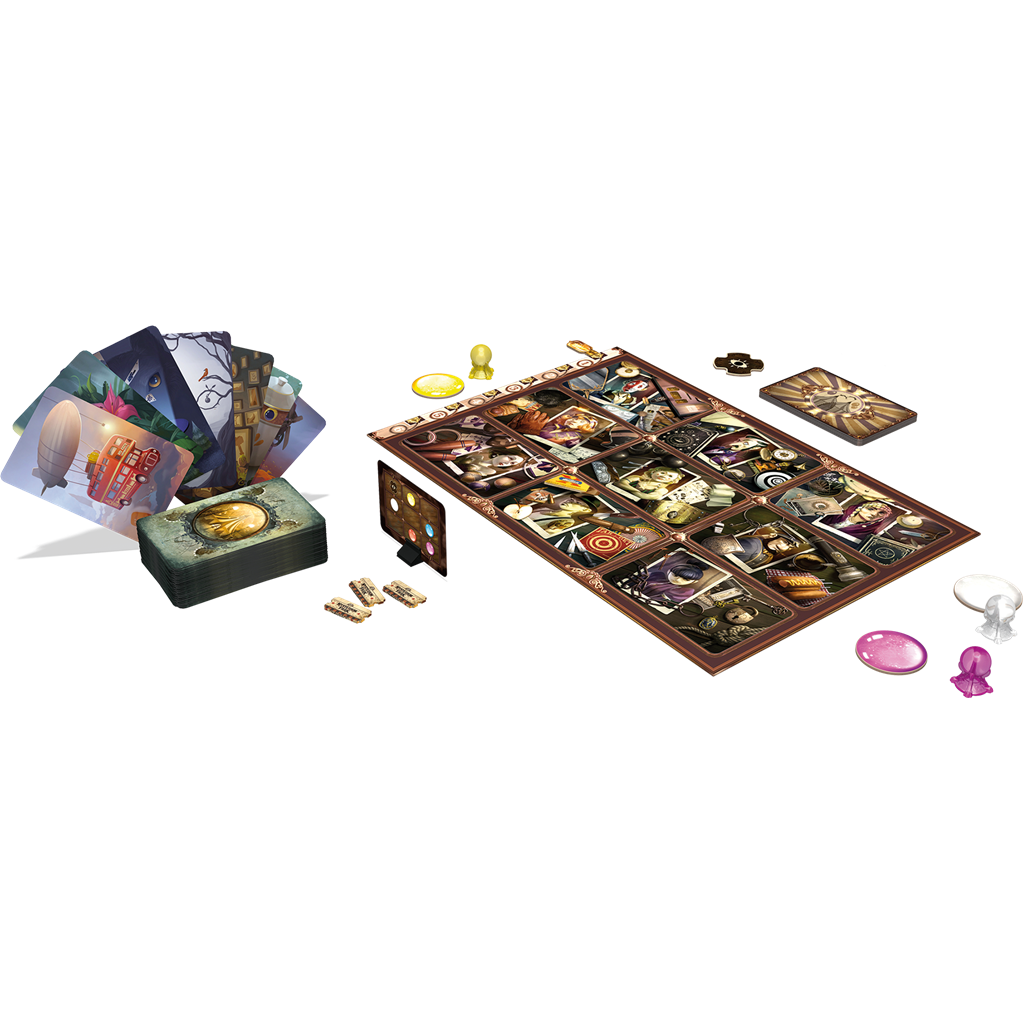
Mysterium Park
| 2 to 6 players | 30 min | Ages 10+ |
Mysterium Park is a cooperative game that captures all the investigative and interpretative atmosphere of Mysterium in a faster and more accessible format. An unexplained disappearance haunts an old amusement park, and only a ghost seems to know the truth. Using beautifully illustrated Vision cards, psychics must collaborate to clear suspects, explore locations, and discover what really happened. More compact and direct than its big brother, Mysterium Park retains all the magic of collective deductions and discussions around clues.


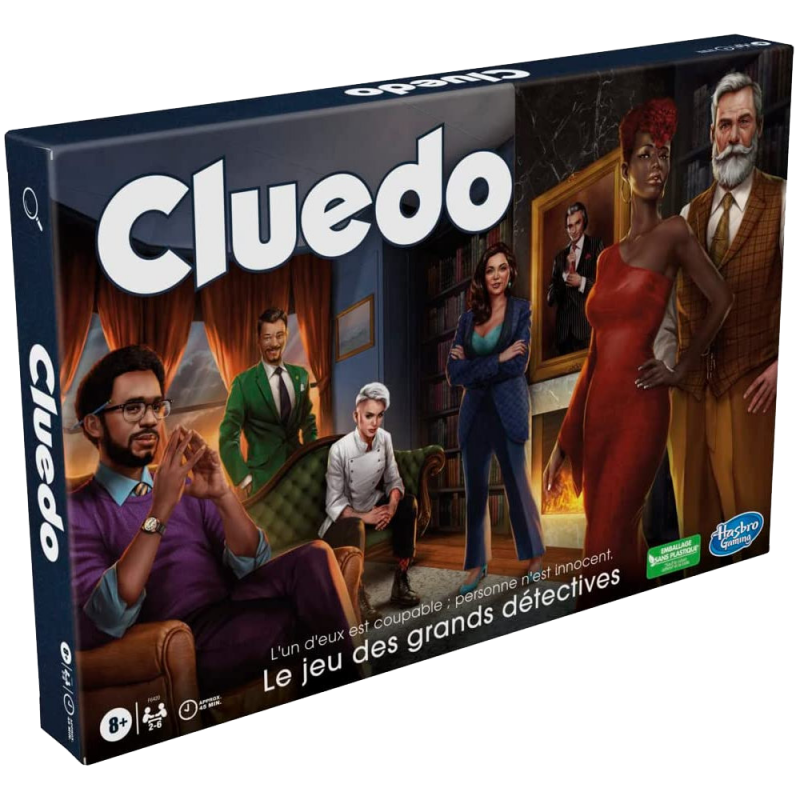
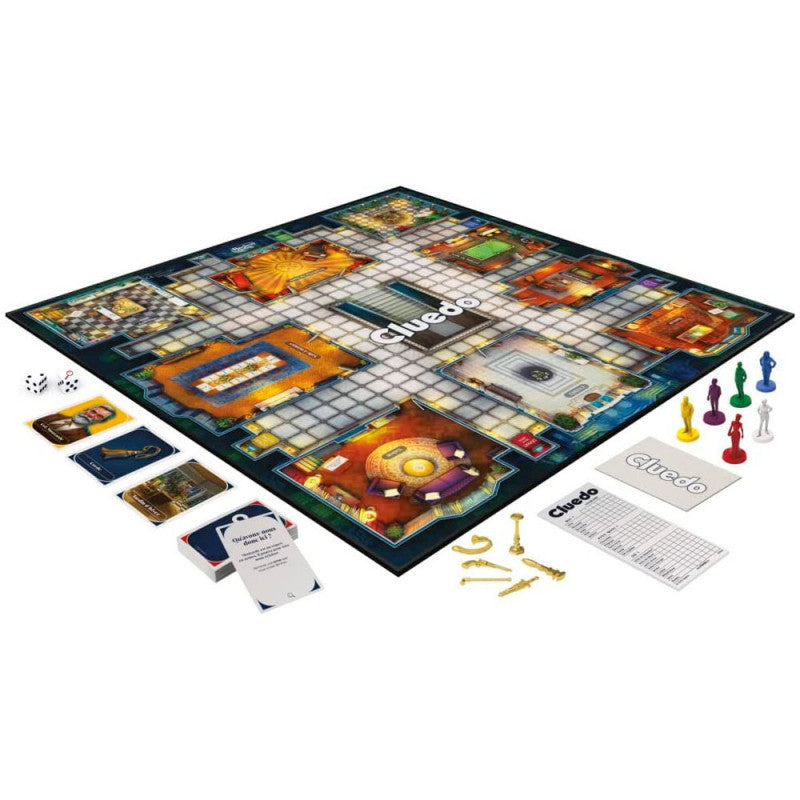
Clue - 2023 Edition
| 2 to 6 players | 30 min | Ages 8+ |
Cluedo is the world's best-selling deduction and investigation game, conceived by Anthony Pratt in Birmingham in 1943 and marketed since 1949. Dr. Black has been murdered in his Tudor mansion during a reception — it's up to you to discover who killed him, in which room, and with what weapon. Six suspects, nine rooms, six weapons, and only one culprit: the solution is locked in a confidential envelope that no one can open before the final accusation. A timeless classic, recommended for ages 8 and up, and regularly re-released for over 75 years.

Pocket Case Files: Who killed Jasper Van Der Meer?
| 1 to 6 players | 45 min | 14 years and up |
Form a detective team and solve a criminal investigation!



Gevaudan: In the Footsteps of the Beast
| 1 to 4 players | 30 to 45 min | 10 years and up |
Gévaudan - In the Footsteps of the Beast is a competitive deduction game for 1 to 4 players, by Aurélien Devaux and published by Le Lion Vert. It's set between 1764 and 1767, in the wild lands of Lozère: an unknown creature is terrorizing the region and eluding all the kingdom's hunters. Each player embodies a tracker ready to do anything to locate the Beast's lair before their rivals and claim the king's bounty. Deduction, tension, and authentic history blend together in a unique experience, playable in 30 to 45 minutes.


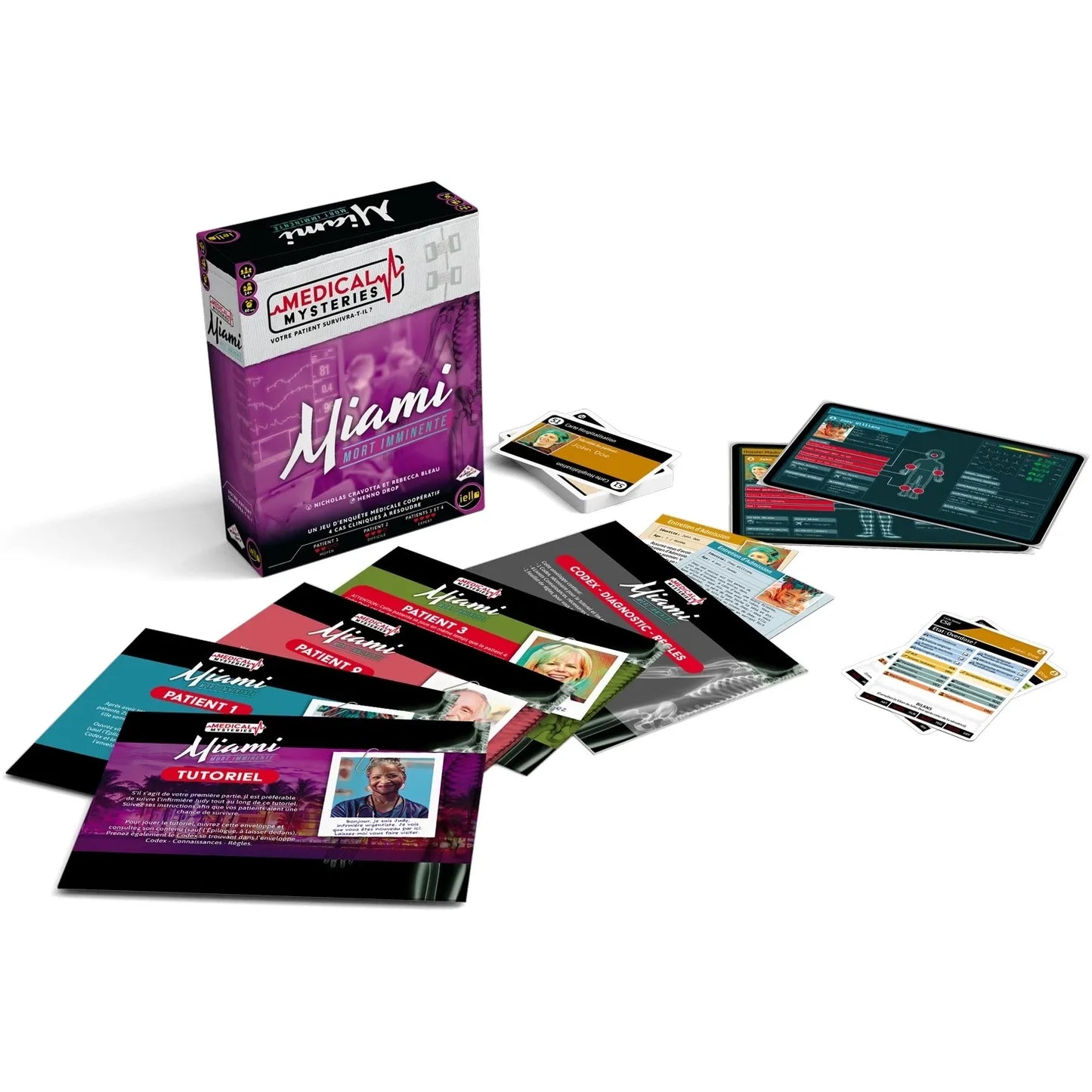
Medical Mysteries: Miami
In Medical Mysteries Miami, play as emergency room doctors facing mysterious and stressful medical cases.
This cooperative game puts your patients' lives in your hands: you must diagnose, test, and treat before time runs out. With an immersive tutorial and 4 patient files, each game becomes a true challenge of analysis and intuition. A fun experience, halfway between a medical TV series and an investigation, ideal for players who enjoy cooperating under pressure.
Medical Mysteries is an immersive and thrilling cooperative experience, blending puzzles with critical decision-making.
| 1 to 4 players | 60 min | Ages 14+ |



Warden Keene's Secrets
| 1 to 4 players | 20 min / puzzle | Ages 10+ |
Warden Keene's Secrets is a narrative investigation game that plunges players into a dark adventure full of mysteries.
You embody a team of investigators called to solve the murder of an influential industrialist under strange and unsettling conditions. Each clue discovered, each decision made brings the team closer to the truth... or plunges them even deeper into the mystery surrounding Warden Keene.
Accessible, immersive, and strongly narrative-driven, this game combines reflection, deduction, and a detective atmosphere for captivating sessions.




Dernier message
| 3 to 8 players | 15 min | Ages 8+ |
With Last Message, immerse yourself in an investigation that is as funny as it is tense, where every second counts. In this party game, a crime has just been committed… and the victim tries to identify the culprit before it's too late. Between drawing, deduction, and sabotage, players must cooperate to solve the investigation while the culprit blurs the lines. Accessible, original, and ultra-interactive, Last Message transforms every game into a true moment of suspense and laughter.


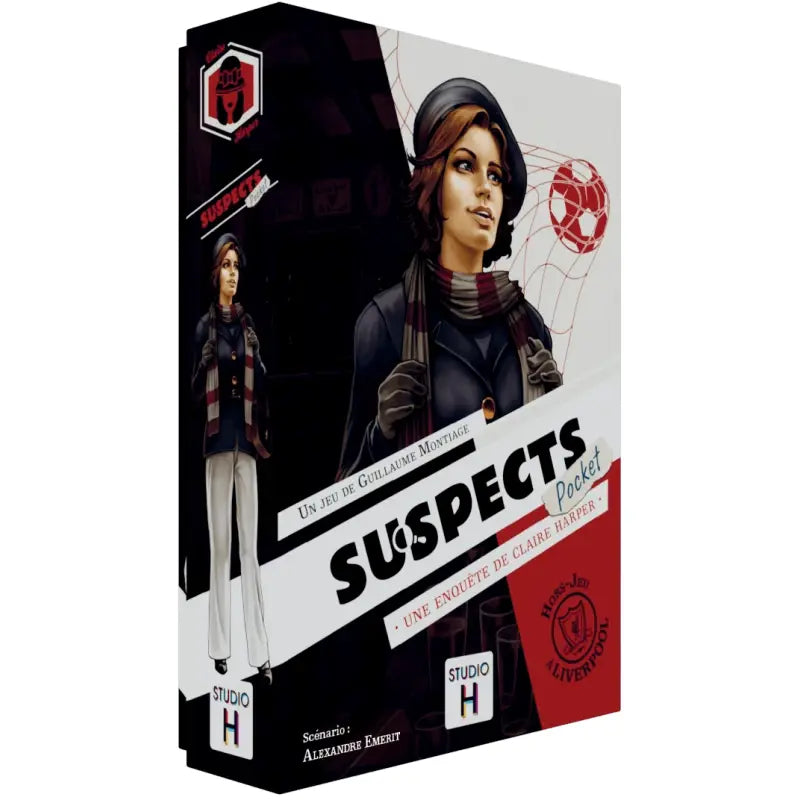
Suspects Pocket: Offside in Liverpool
The Suspects experience in a more portable and accessible format
Alone or with others, discover rich plots and well-developed characters in the style of Agatha Christie novels. In this box, you'll find a thrilling investigation featuring the brilliant Claire Harper, caught in the middle of football rivalries.
| 1 to 6 players | 60 min | Ages 10+ |
Escape Game, Deduction, Narrative Investigation: Understanding the Formats Before Choosing
The first mistake when buying a detective game is to think that they are all alike. Choosing the wrong format for your group guarantees a disappointing evening, even with the best game on the market.
The 3 Main Families of Detective Games
The first family is that of the narrative investigation. You read documents, reconstruct a timeline, formulate hypotheses. No board, no timer. Immersion is maximum, pressure is zero. Suspects, Hidden Games, and Kronologic belong to this family. The duration varies from one to three hours, replayability is almost nil, and that's precisely why the experience remains etched in your memory.
The second family is that of the table escape game. Mental timer, combinations to find, logical puzzles strung together. Unlock! is its most accomplished representative. The duration is set at 60 to 90 minutes, the tension is constant, and the adrenaline of the last puzzle solved at the last minute is unparalleled in other formats.
The third family is that of interactive deduction. Classic game mechanics serving an investigative logic. Micro Macro Crime City, Mr. Jack Pocket, Insider. Games last 20 to 45 minutes, the game is replayable, and the psychological dimension creates a very different tension from the other two families.
Which Format to Choose According to Your Profile
If your group has never played a detective game, start with interactive deduction. Micro Macro Crime City is the best entry point there is: the rules take two minutes, the investigation is visual, and the satisfaction of finding the hidden clue is immediate. For a relaxed evening where the atmosphere counts as much as the game itself, funny adult board gamesremain an excellent alternative.
If your group consists of crime novel readers or crime series fans, narrative investigation is their natural ground. Suspects and Hidden Games perfectly reproduce the satisfaction of a good Agatha Christie: the accumulation of clues, the tipping point, the final revelation.
If the group consists of experienced players who want to be challenged, Mr. Jack Pocket and Insider offer a strategic depth that narrative formats do not. These are games where progression takes several plays.
If the evening is mixed with varied skill levels, the table escape game is the best option. Unlock! creates a collaborative dynamic where everyone contributes according to their strengths: logicians on the puzzles, creatives on unexpected connections. For groups who hesitate between investigation and pure cooperation, our selection of cooperative games for adultscompletes this overview well.
Replayability: What Product Sheets Don't Say
The majority of detective games are played only once per player. This is a fact that product sheets never clearly display, and it is the main source of disappointment when purchasing.
However, a single-use detective game for 15 euros often represents a better investment than a replayable game for 35 euros that is no longer played after the third time. The correct calculation is not the displayed price but the cost per hour of play and per player. A two-hour narrative investigation played by four people costs less than 2 euros per person per hour, which is less than a coffee.
The good strategy is that of series. Suspects exists in several independent volumes, as does Hidden Games. You buy a box, you play it once, you move on to the next. The serial format transforms a one-time purchase into an implicit subscription, just like the best detective series.

How to Handle Different Skill Levels Around the Table
The detective game is the only type of game where a player who is far ahead can unintentionally ruin the experience for others. The one who finds the culprit and announces it aloud. The one who solves Unlock! puzzles in silence and makes others feel useless. These situations occur in almost every poorly structured detective game night.
The simplest and most effective rule: no information is shared until the entire group has had time to examine it. If someone has an intuition, they write it down on paper and wait five minutes before stating it. This delay allows other players time to build their own reasoning, and the satisfaction of converging on the same conclusion together is tenfold.
For very mixed groups, designate a coordinator whose role is to ensure that each player contributes at each stage. No lead player who solely decides which leads to follow. A collective investigation is always richer than a solo investigation surrounded by spectators.
Building a Season of Investigations Over Several Evenings
The most memorable detective game night is not one played in a single sitting: it's one that extends over several weeks with the same group.
The Suspects and Hidden Games series were designed for this. Each volume is independent, but the recurring characters, familiar settings, and the group's increasing competence create a continuity that resembles a true season of a detective series. Organize four evenings over a month, one narrative investigation per evening, the same group of players, and a personal recurring theme between sessions. This format transforms a game purchase into a regular ritual, and groups that adopt it consistently return for the next volume. To go even further into the idea of a structured thematic evening, our guide for organizing a successful game nightgives you all the keys.
How to Turn Your Living Room into an Investigation Room
Having the right game isn't enough. Mystery gamesare the only board games where the playing environment directly impacts enjoyment. Poor lighting, a cluttered table, or a player who gives away answers too quickly can ruin an excellent investigation.
Atmosphere, Music, Staging: The Details That Make All the Difference
The brain enters a state of concentration and immersion more easily when environmental stimuli support it. This isn't just staging for pleasure; it's concrete help for deductive thinking.
Turn off the main lights, leave on a task lamp or candles. Dim lighting reduces visual distractions and naturally focuses attention on the documents in front of you. Put on an instrumental playlist as background music: 1940s jazz, the True Detective soundtrack, or simply dark jazz on Spotify. Music occupies the part of the brain that produces distracting thoughts and allows deductive reasoning to work freely. Completely clear the table before starting. In a narrative investigation, the playing space is your investigation room, and every inch counts for laying out clues and reconstructing the timeline.
These three adjustments take five minutes and radically transform the experience.
FAQ — 6 Questions About Detective Games for Adults
What's the difference between a detective game and a tabletop escape game?
A table-based escape game relies on a series of logical puzzles with a sense of a ticking clock: you solve, you progress, you unlock. A detective game relies on deduction, analysis of clues, and the reconstruction of a hidden truth. In an escape game, there is one obvious correct answer to find. In a detective game, the clues are ambiguous and interpretation is part of the game. Both are excellent and satisfy different needs.
Are detective games playable solo?
Yes, and that's one of their great strengths. Suspects, Hidden Games, and Dossiers Criminels are explicitly designed to be as satisfying for a solo experience as for a group. Unlock! can also be played alone. If you enjoy detective novels and are looking for an interactive format for a solo evening, narrative investigation games are the best answer available in the board game world.
Which detective game should complete beginners choose?
Micro Macro Crime Cityis the best starting point. The rules take two minutes to learn, the investigation is visual and intuitive, and the satisfaction of finding the hidden clue is immediate even without experience. For a group that loves stories, Suspects Pocket is also perfect: the format is short, immersion is quick, and the rules are almost non-existent.
Can you replay a detective game once the case is solved?
Most narrative investigations are played only once by a player: once the solution is known, the tension disappears. In contrast, deduction games like Mr. Jack Pocket, Insider, or Kronologic are fully replayable. To renew the narrative experience, focus on series: Suspects and Hidden Games each offer several independent volumes.
What detective game works with a large group of 6 or more people?
Insider works with up to 8 players and creates a very engaging group dynamic. Mysterium Parkcan be played with up to 6 players in an accessible cooperative format. For large groups, narrative investigations with divided teams also work very well: two sub-groups work on the same clues in parallel, then compare their conclusions. The divergence of interpretation between the two teams often generates the most interesting moments of the evening.
Where can I try out these investigation games before buying them in Paris?
At Le Loufoque, a board game bar and shop in the 5th arrondissement of Paris, all the selections in this article are available to try on site. Our teams will guide you according to your group, available time, and experience level. For one-shot narrative mystery games, trying before buying is particularly recommended: that's exactly why a board game bar exists.