

Top 15 Best Strategy Games for Beginners (2026)
Strategy can be learned. And contrary to what one might imagine, it doesn't start with a board of 300 pieces and a 40-page rulebook. Strategy games for beginners are precisely designed to introduce you to thinking, anticipation, and decision-making without drowning you in complexity.
Ticket to Ride, Carcassonne, King of Tokyo, Takenoko: these titles have introduced millions of players around the world. They share a common secret: rules that can be explained in a few minutes, but a strategic depth that reveals itself game after game. That's what a good introductory game is – easy to learn, difficult to master.
Whether you're a complete beginner who has never touched anything other than Monopoly, or a casual player who wants to go further, this top 15 guides you to the best accessible strategy games available at Loufoque. For each, we have selected the most educational titles, the most enjoyable from the first game, and the most representative of their mechanics so that your first step into strategy is the right one.

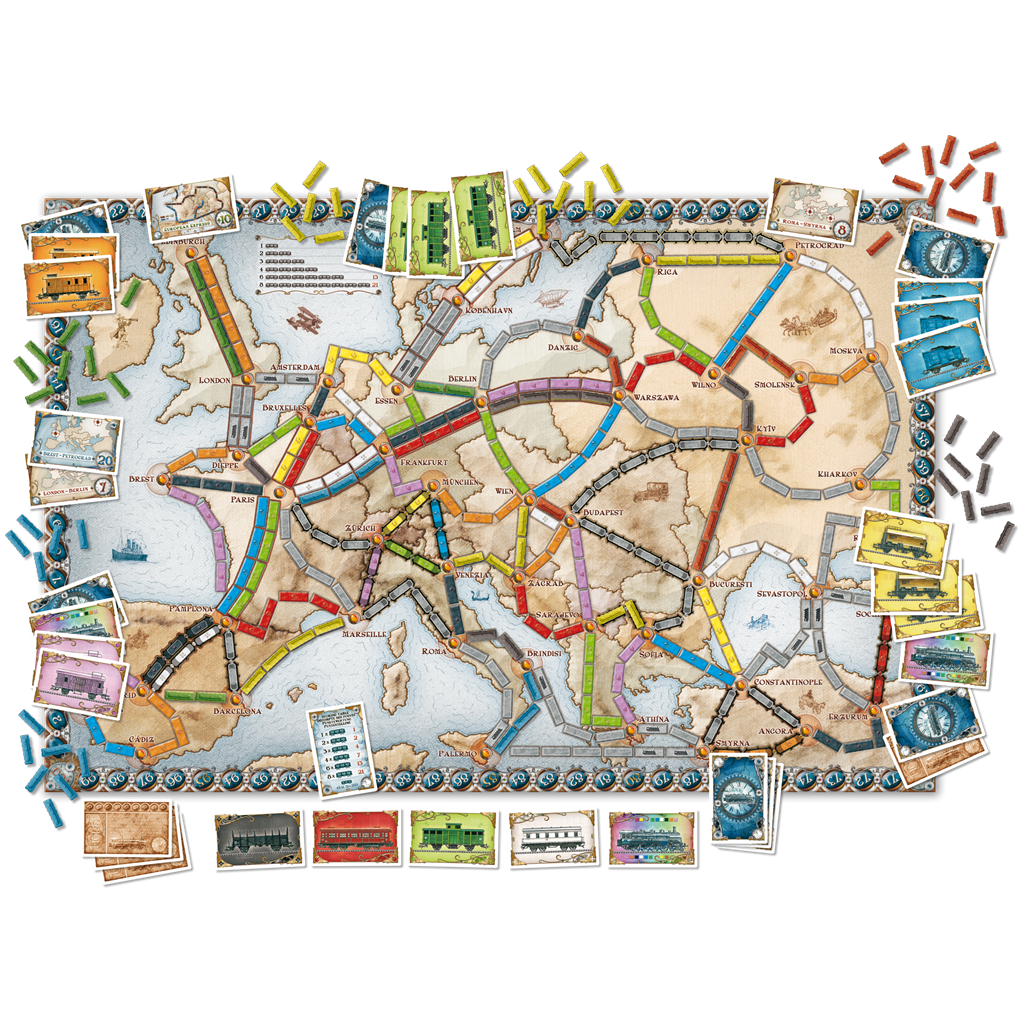
Ticket to Ride Europe
| 2 to 5 players | 30 to 60 min | 8 years and up |
Discover Ticket to Ride: Europe, an iconic version of the famous train network building game where each player becomes a railway magnate in the heart of Europe in the 1900s. Plan your routes, collect colorful train car cards, and connect the great cities of Europe to score strategic points.
With classic routes, mountain tunnels, sea ferries, and train stations, this edition enriches the experience while remaining accessible to both beginners and experienced players. Simple to learn but deep in its possibilities, this game offers captivating games full of suspense and tactics with each turn.


Carcassonne
| 2 to 5 players | 35 min | 7 years and up |
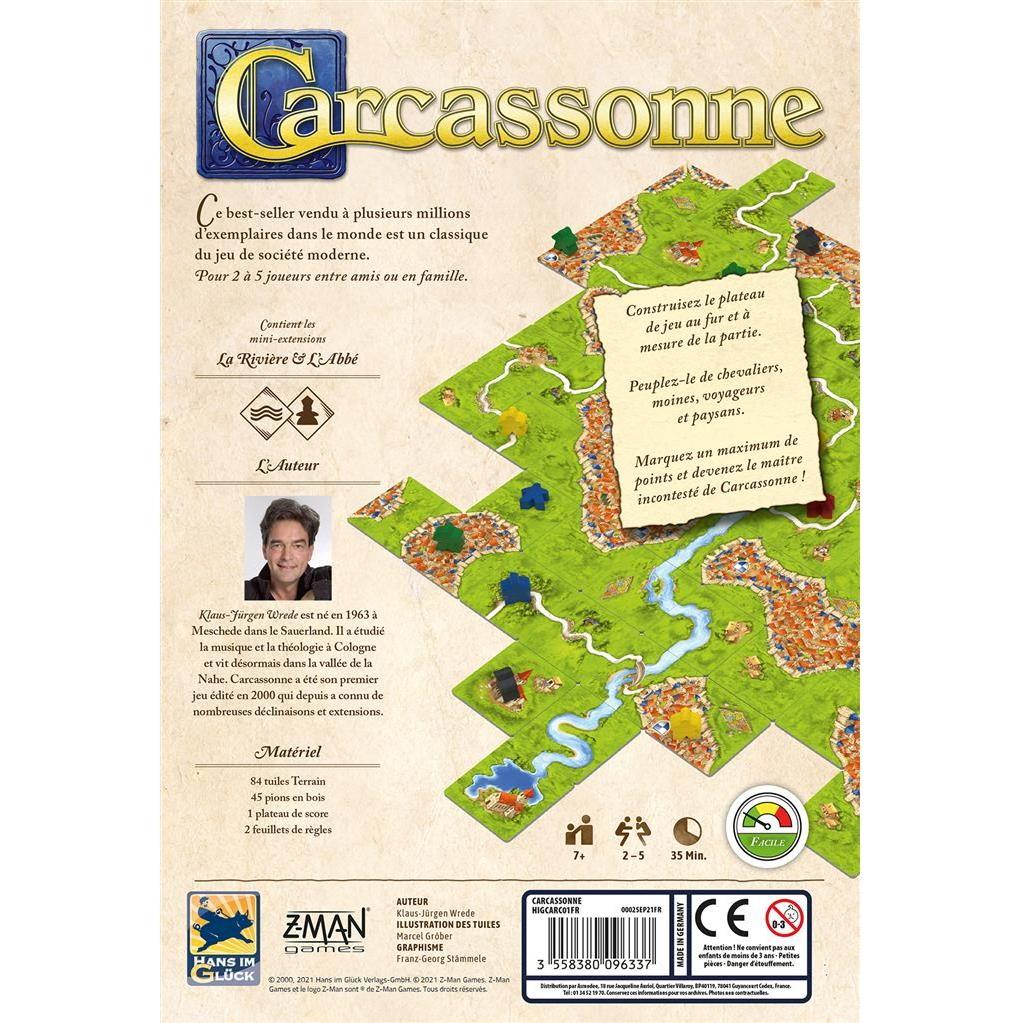
Rediscover one of the pillars of modern gaming with Carcassonne. In this essential title from our collection of board games, you develop the landscape of a medieval city tile by tile. As strategic as 7 Wonders, it's the ideal tile-placement game for the whole family.


Kingdomino - New Edition
| 2 to 4 players | 15 min | 8 years and up |
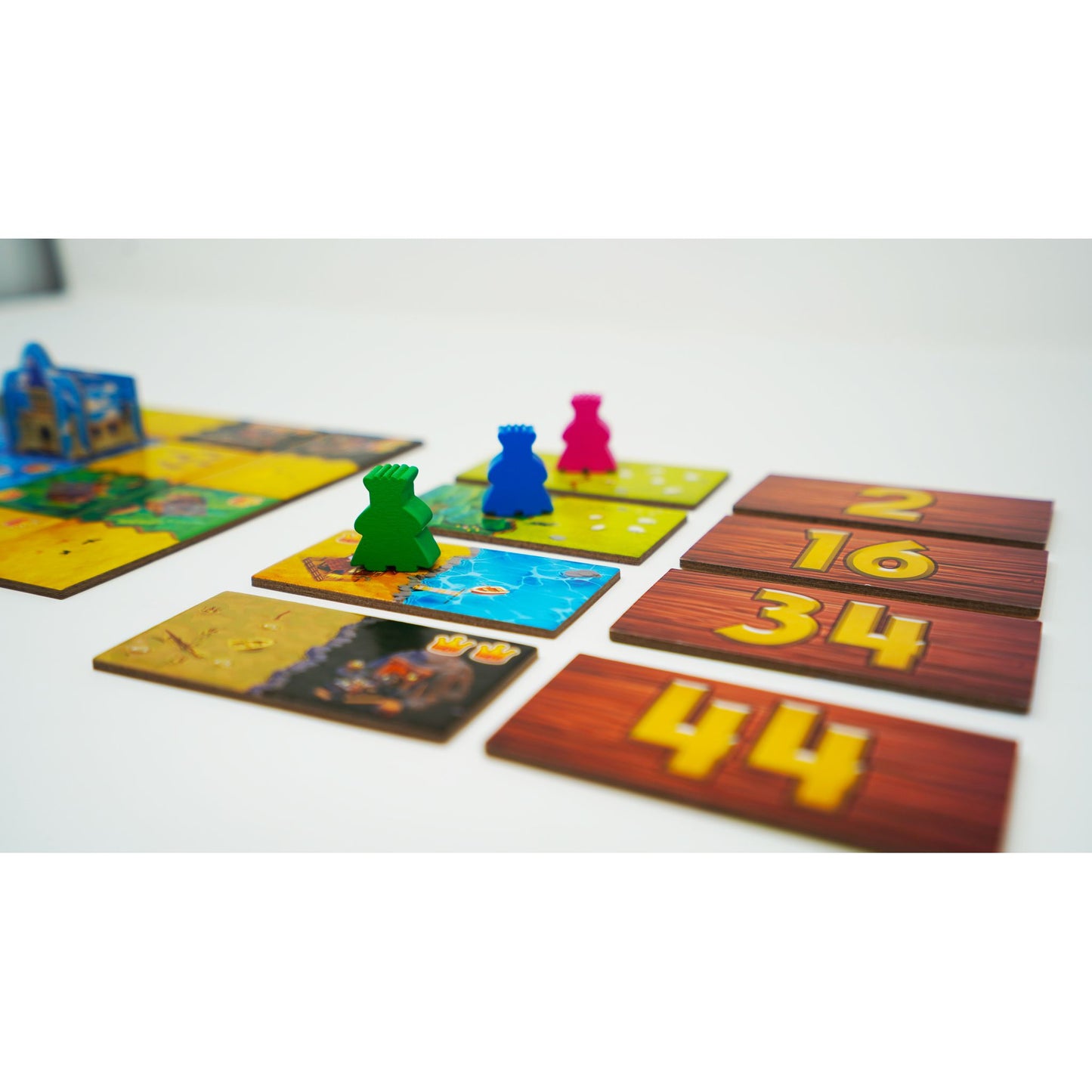
Kingdomino is an award-winning family strategy game where you play as a lord seeking fertile lands to build the most prestigious kingdom.
Inspired by traditional dominoes but enriched with accessible strategic depth, this game combines tile placement, anticipation, and smart decision-making. Quick to learn and play (15–20 minutes), Kingdomino is perfect for playing with family or friends.


King of Tokyo
| 2 to 6 players | 30 min | 8 years and up |
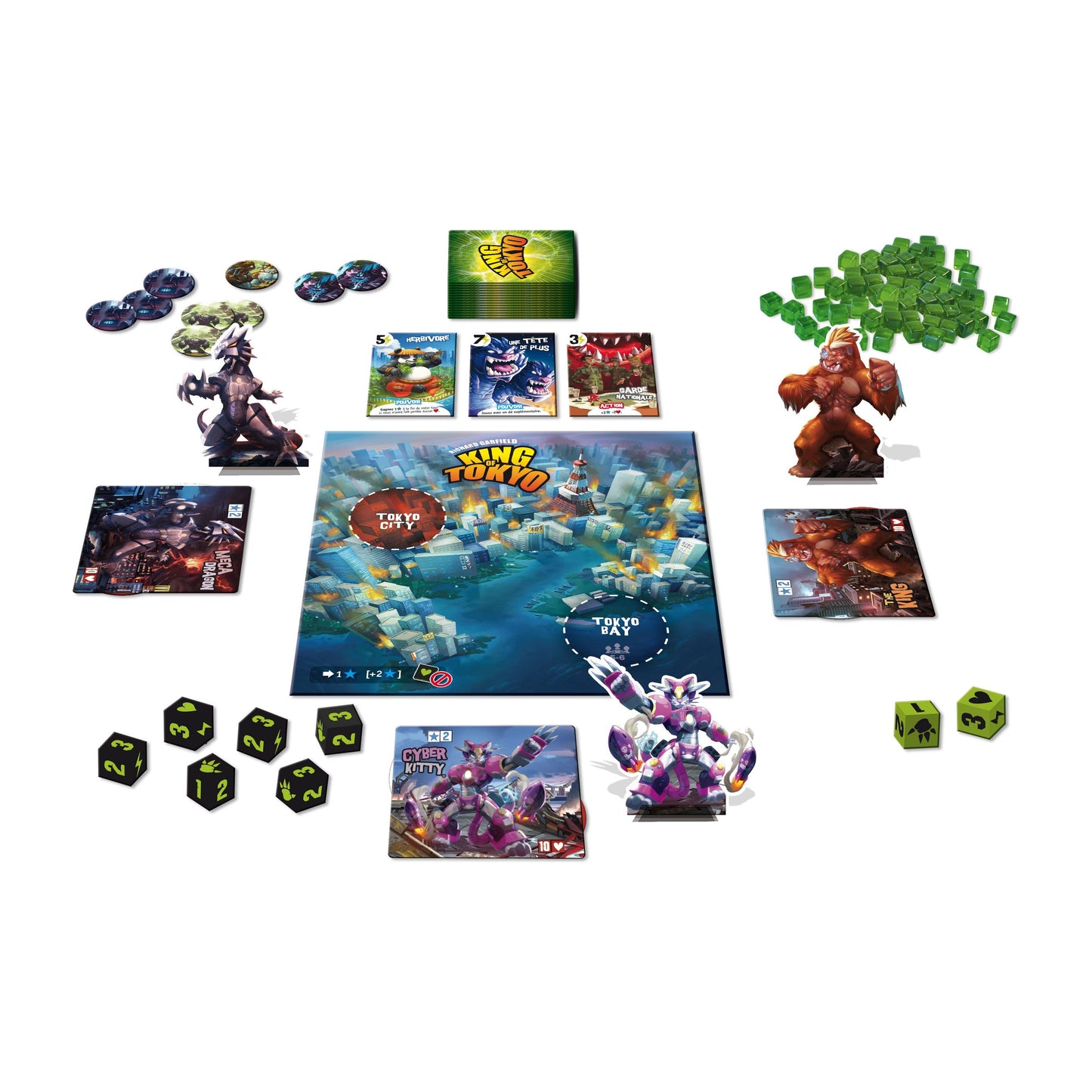
King of Tokyo is a frenetic dice and strategy board game where you play as a gigantic monster here to wreak havoc in the city of Tokyo. Designed by Richard Garfield, this game skillfully blends chance and tactics, all in an atmosphere of playful combat worthy of Kaiju films.
Whether you aim for total domination or prefer to outmaneuver your opponents, each game promises unexpected twists and turns and cascades of laughter.


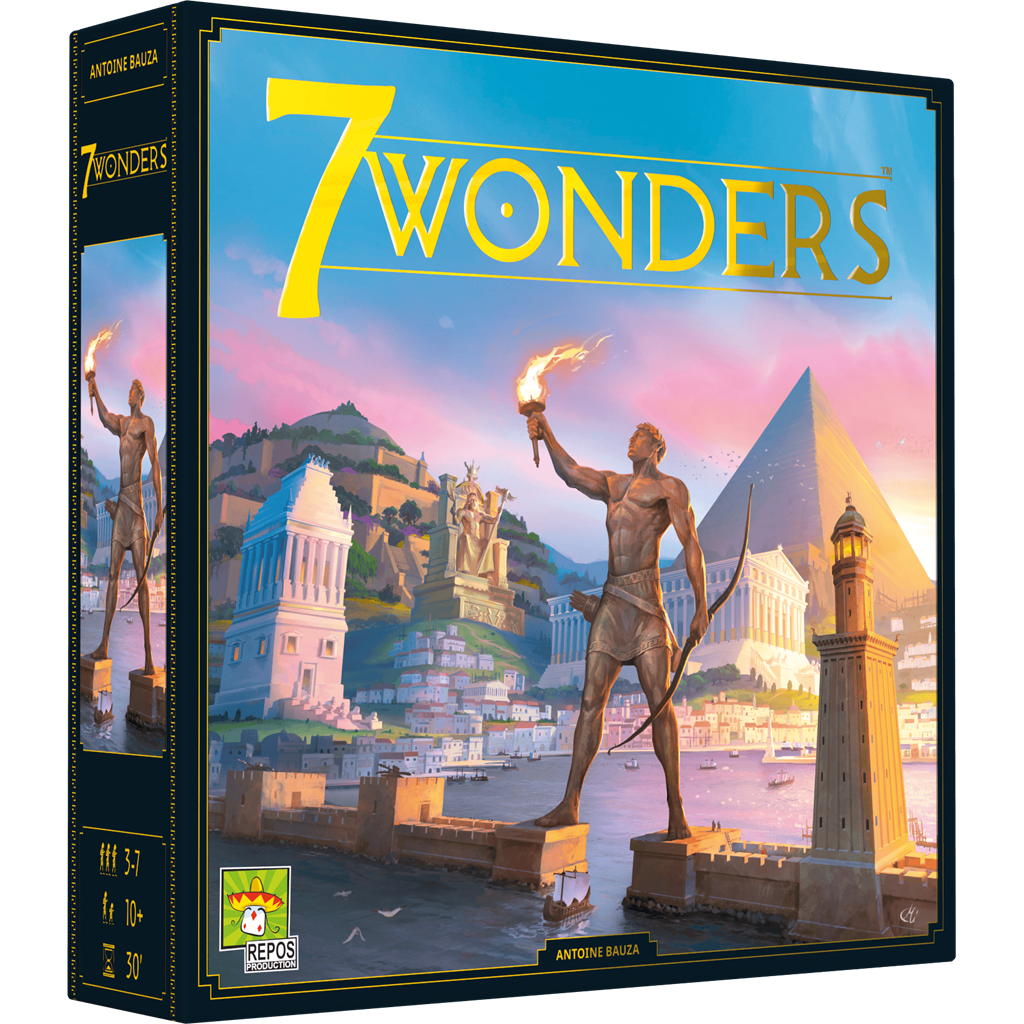
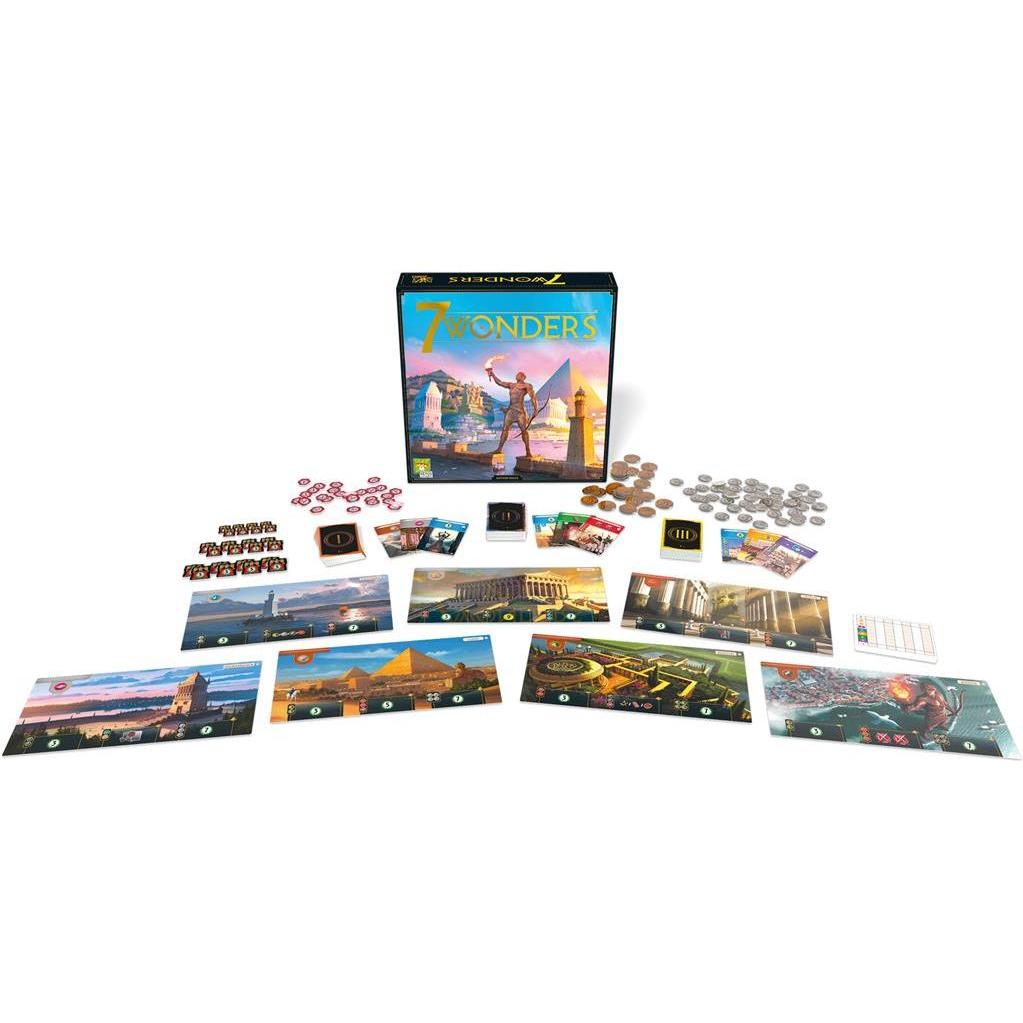
7 Wonders
| 3 to 7 players | 30 min | Ages 10+ |
7 Wonders is the world's most awarded game! In this civilization game, develop your ancient city by trading with your opponents and confronting them militarily. Exploit your resources to construct buildings that will beautify your city, and be the first to complete your wonder.

Takenoko
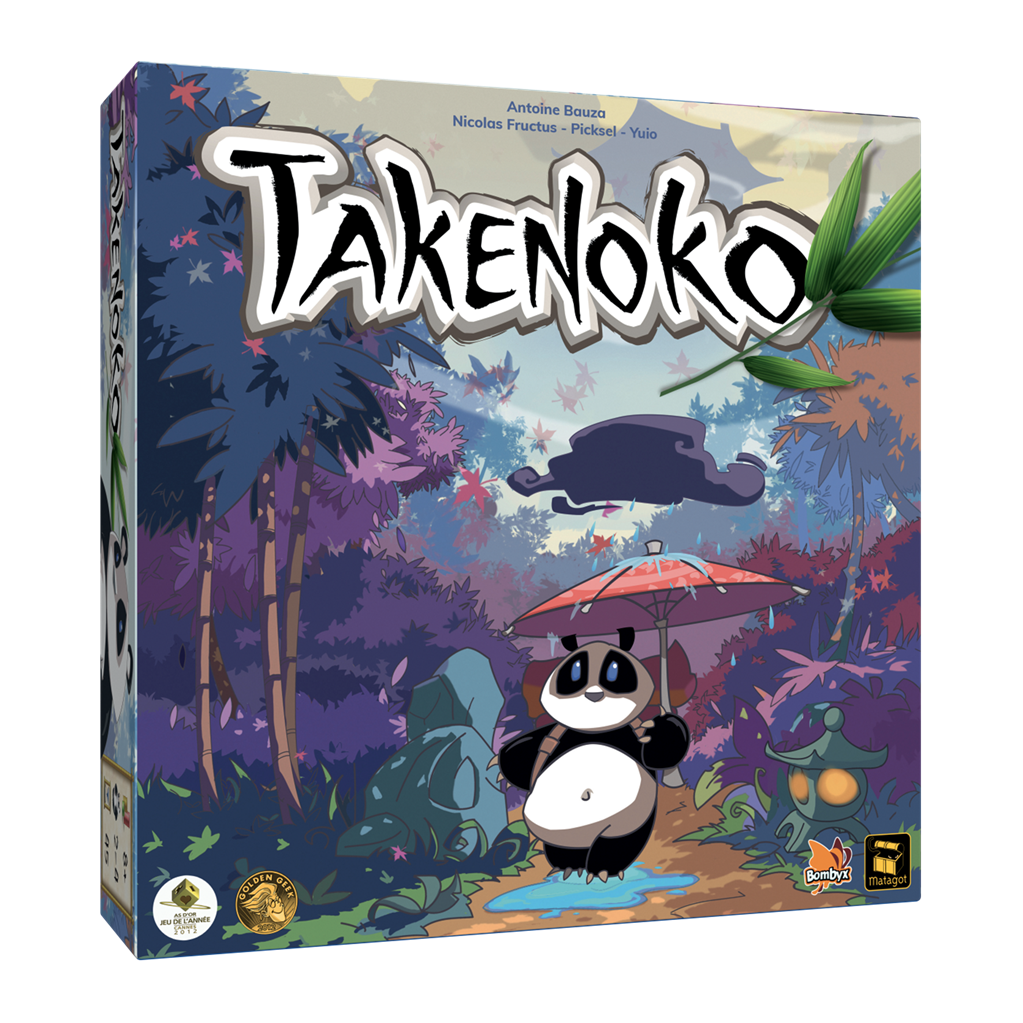
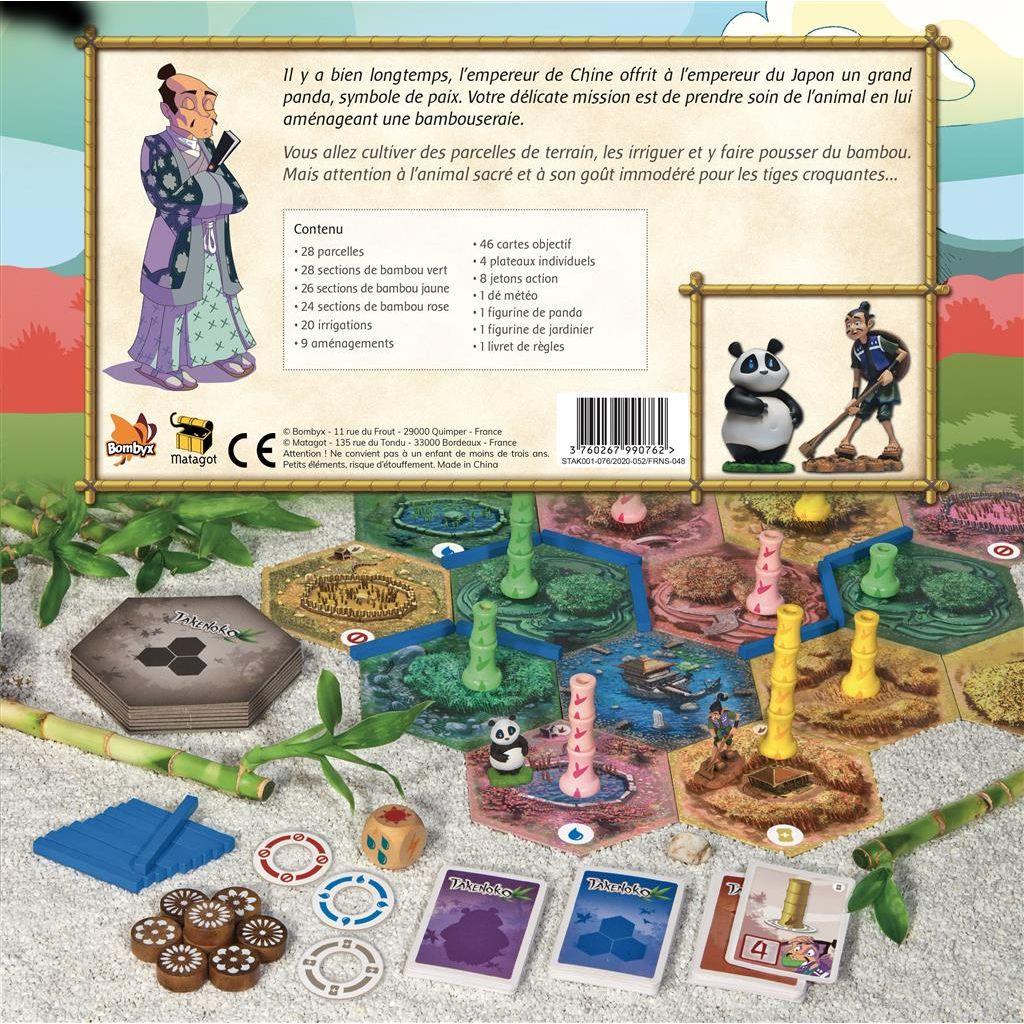
In Takenoko, a game that won the As d'Or in 2012, players embody courtiers of the Emperor of Japan. They must take care of his panda by growing a bamboo forest. Place tiles, plant bamboo of different colors, and irrigate your plots to make it grow. But beware of the greedy panda who might come and eat everything!
| 2 to 4 players | 45 min | 8 years and up |

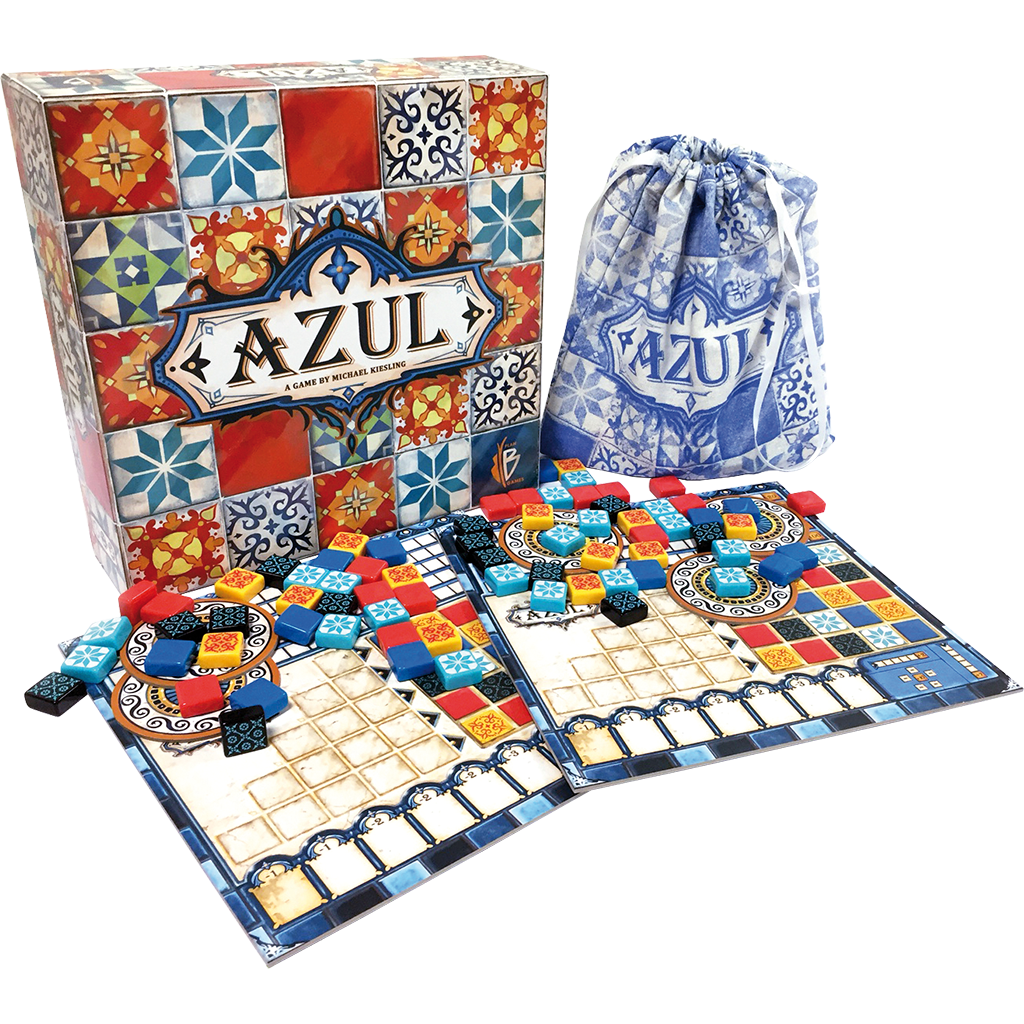
Blue
| 2 to 4 players | 45 to 60 min | 8 years and up |
Azul is an elegant, abstract strategy tile-placement game designed by Michael Kiesling and published by Next Move / Plan B Games. In this award-winning title (As d’Or Jeu de l’Année 2018), each player takes on the role of a mosaic artisan tasked with decorating the Royal Palace of Evora with the most beautiful azulejos possible. Blending drafting (tile selection), optimal placement, and tactical blocking, Azul offers an accessible yet rich experience, perfect for fans of logic and competitive games.

7 Wonders
| 3 to 7 players | 30 min | Ages 10+ |
7 Wonders is the world's most awarded game! In this civilization game, develop your ancient city by trading with your opponents and confronting them militarily. Exploit your resources to construct buildings that will beautify your city, and be the first to complete your wonder.

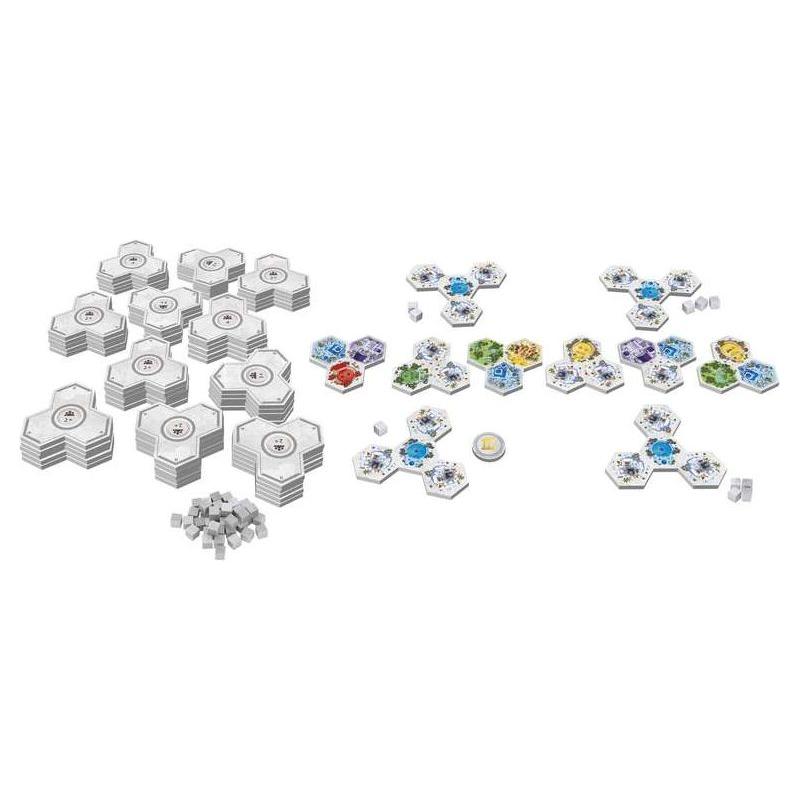
Acropolis
| 1 to 4 players | 25 min | 8 years and up |
Akropolis is a tile-placement strategy game where each player becomes the architect of their own ancient Greek city. In an atmosphere inspired by the ancient Mediterranean, you will build dwellings, temples, markets, gardens, and barracks while adhering to specific harmony rules to earn prestige and victory points. Accessible from 8 years old and awarded the As d'Or – Game of the Year 2023, this game offers a quick experience (around 25–30 min) yet rich in tactical decisions for fans of placement and urban development.


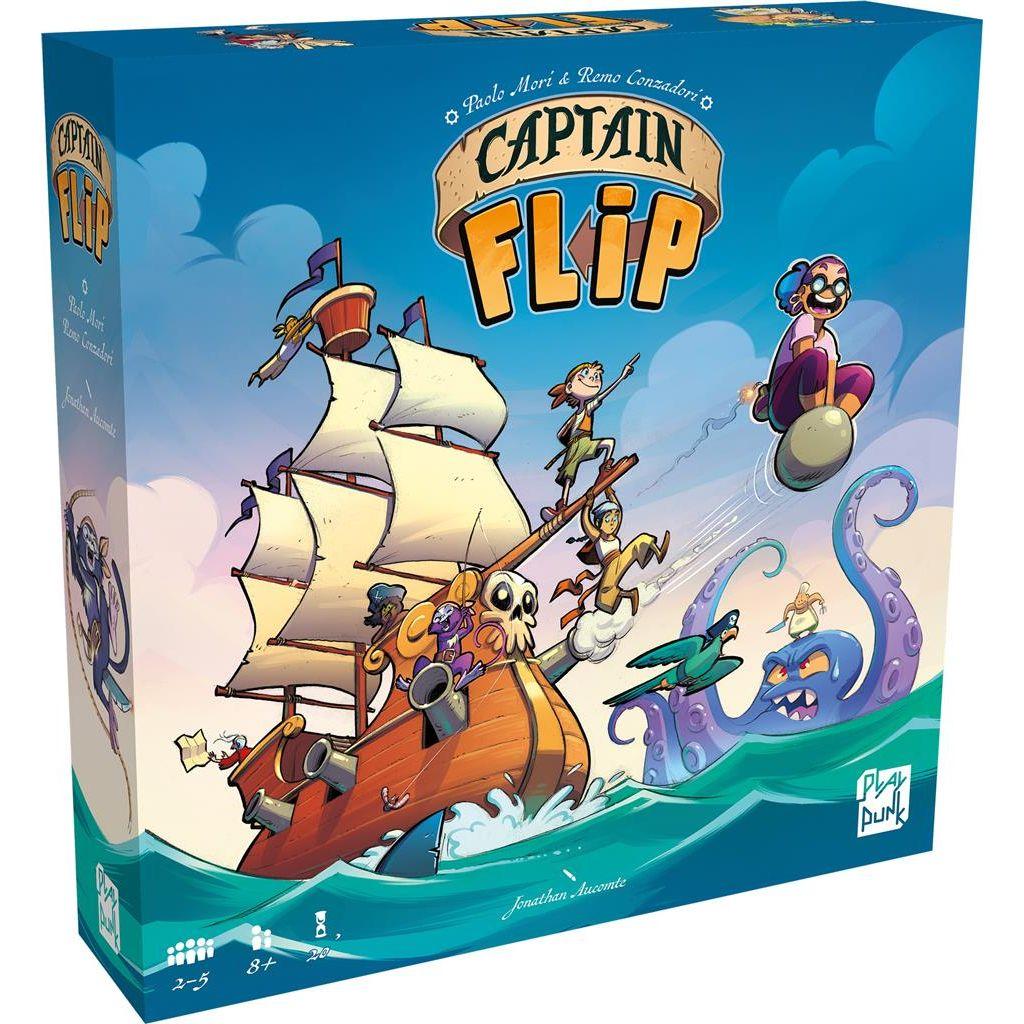
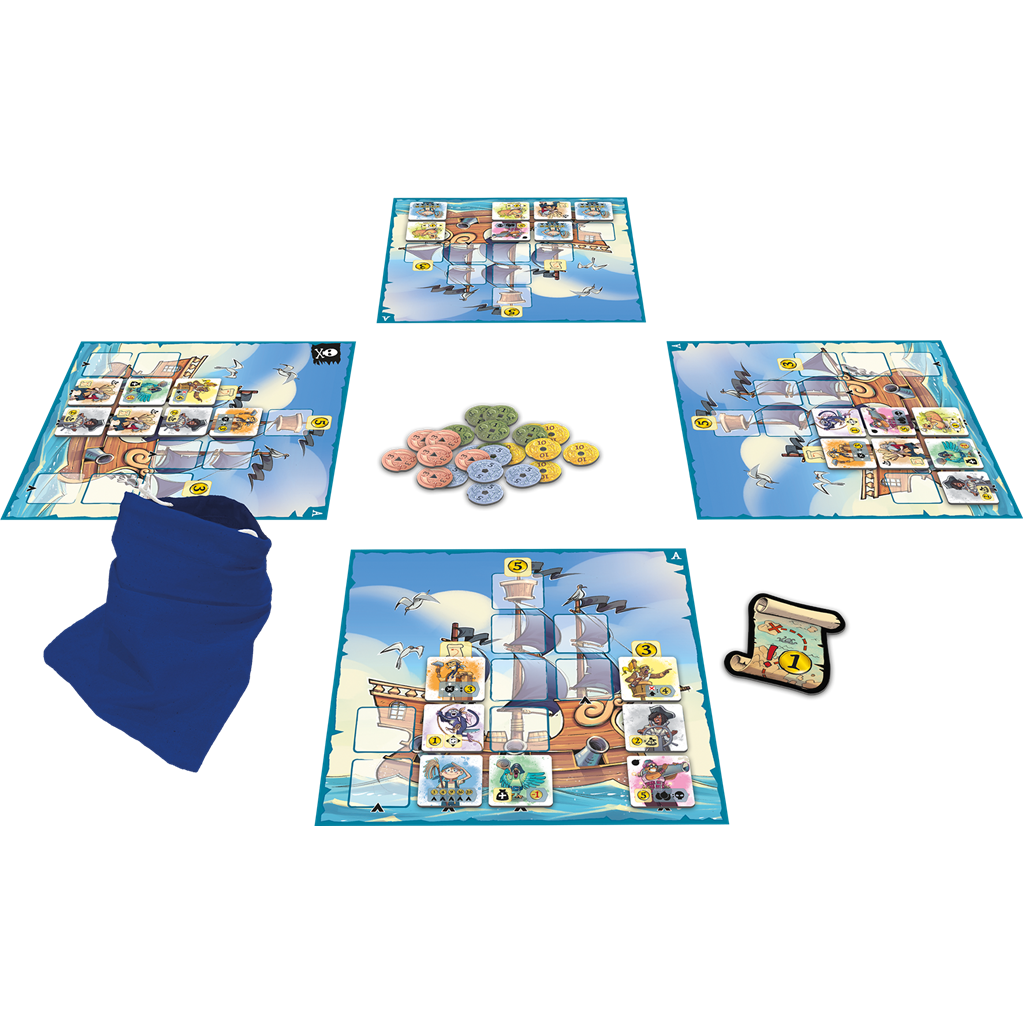
Captain Flip
| 2 to 5 players | 20 min | 8 years and up |
Captain Flip is a fast-paced and strategic tile-laying game where you play as a pirate captain ready to recruit the best crew to accumulate gold. Each turn, you draw a character tile that you can keep... or flip to try your luck. This simple yet suspenseful mechanic creates dynamic games where optimization and timing are essential. Accessible and clever, Captain Flip appeals to families as much as to players who enjoy quick decisions and plot twists.

Pandemic
| 2 to 4 players | 45 min | Ages 8+ |
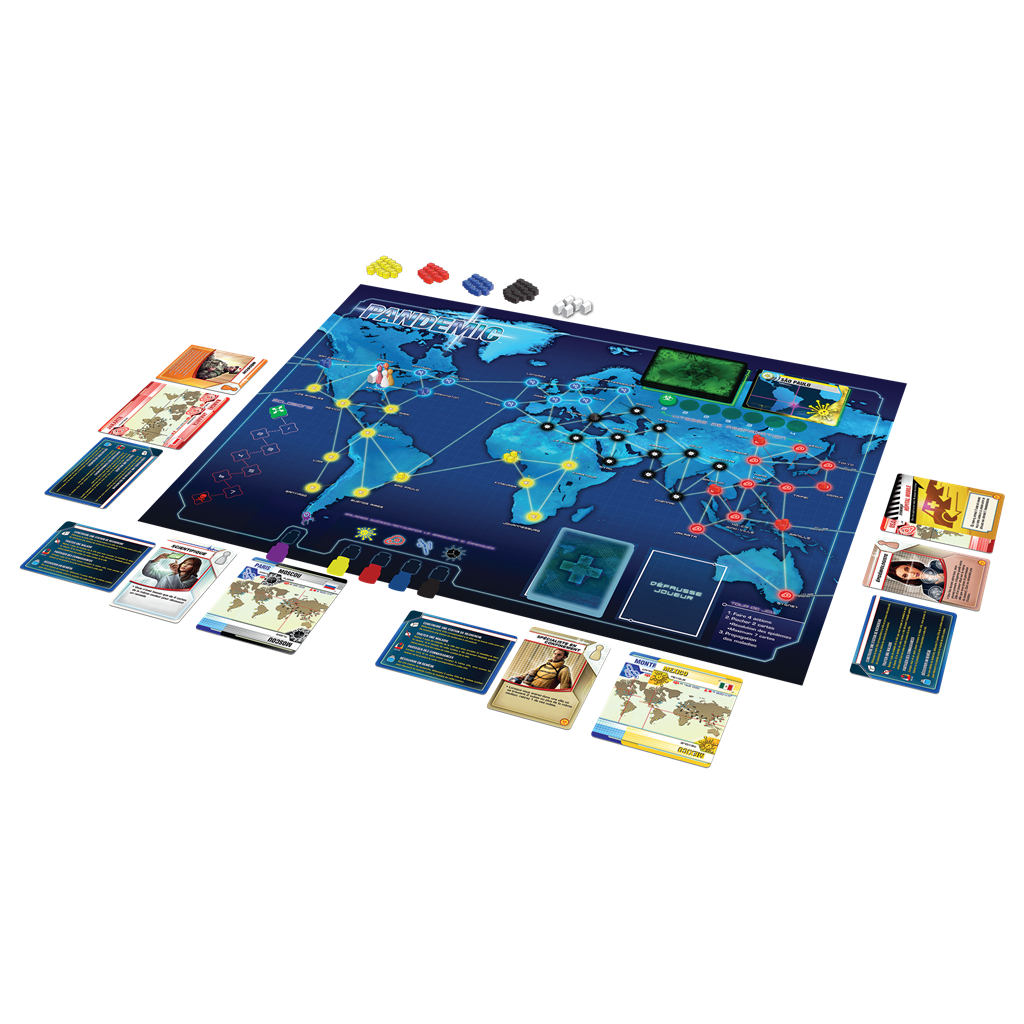
The world is in danger! Infectious diseases threaten humanity. You and your group of players must cooperate to stop this pandemic before it's too late.
Travel the world to curb epidemics, collect resources to develop remedies, and save humanity!
Pandemic is the ultimate cooperative board game, where everyone has a specific role and must use their skills effectively to contribute to the collective effort and win the game!


Jaipur
| 2 players | 30 min | 10 years and up |
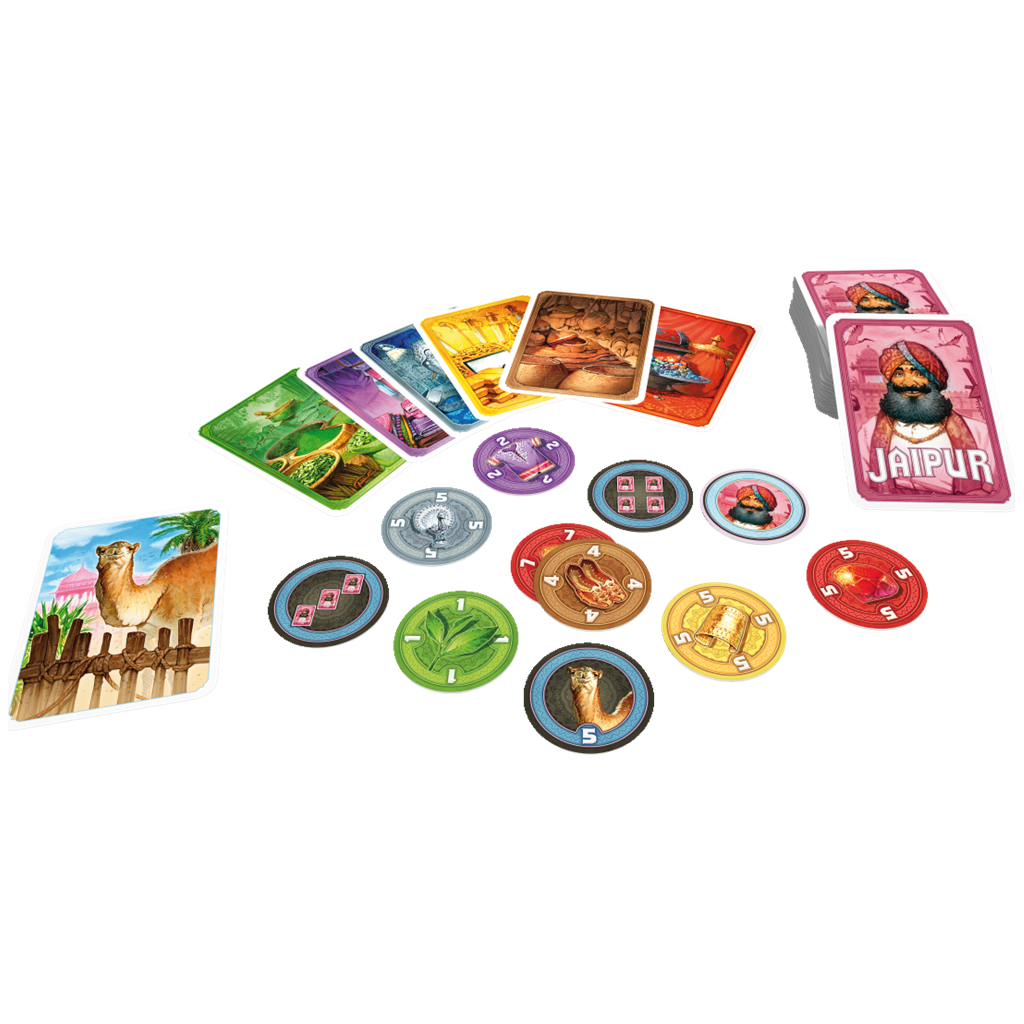
Jaipur transports you to the colorful markets of India, where you play as a merchant determined to outsmart your rival by trading, selling goods, and accumulating more rupees than them. In this two-player duel, the game combines tactics, decision-making, and a touch of risk-taking—all in about 30 minutes. Easy to learn, fast-paced, and strategic, Jaipur is a classic head-to-head game, ideal for two players looking for a quick and competitive game.


Mixed Forest
| 2 to 5 players | 30 min to 60 min | 10 years and up |
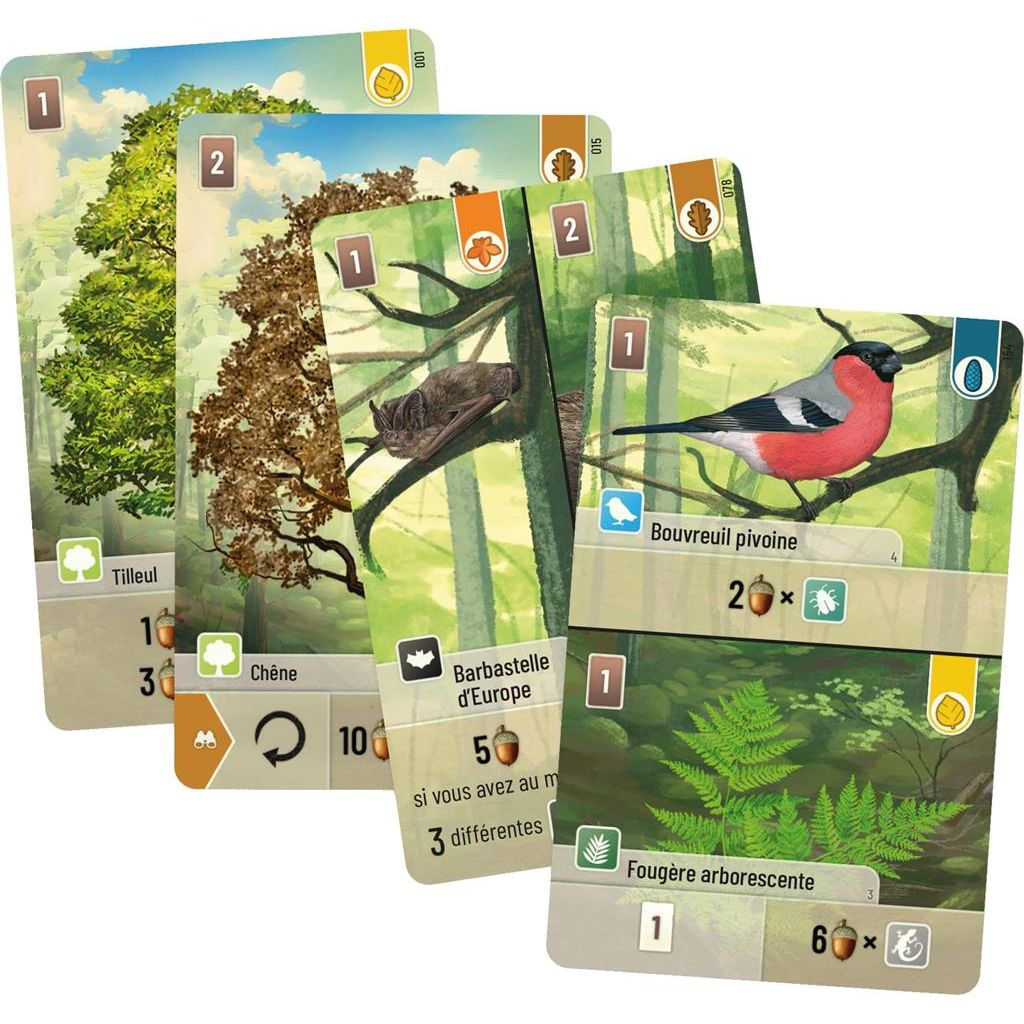
Do you want to build a rich and vibrant ecosystem? Forêt Mixte is an accessible strategy game where you develop your own forest by combining trees, animals, and plants. Each card played influences your score and opens up new tactical possibilities. Between hand management, combo optimization, and anticipating opponents' actions, each game pushes you to make constant strategic choices. Immersive and intelligent, this game seduces with its depth while remaining fluid to play.



Lointain
| 2 to 6 players | 25 min | 10 years and up |
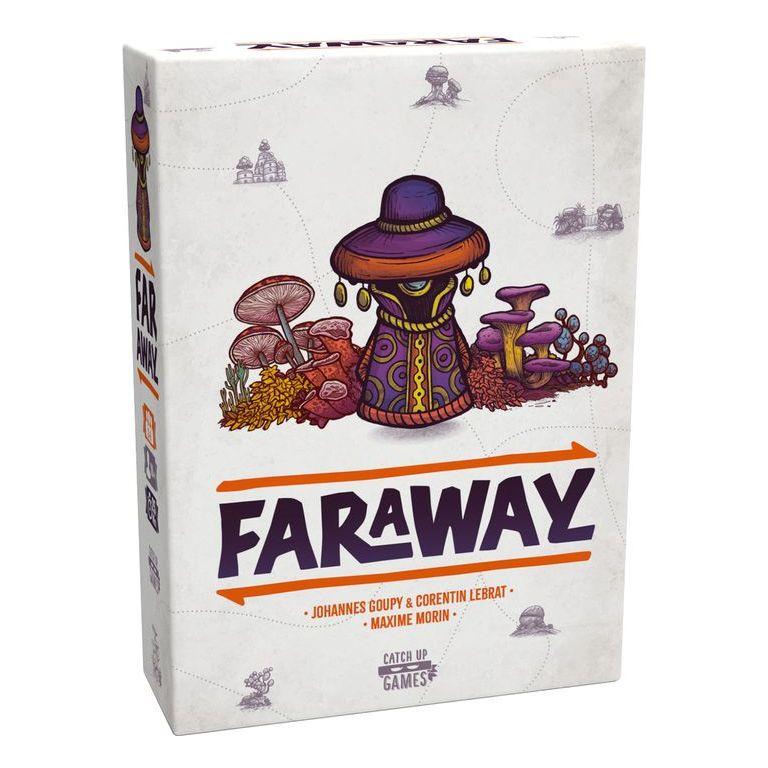
Faraway is a clever and original card game that invites you to explore a mysterious continent by building your own adventure path. Behind its accessible rules lies a unique mechanic: you must think... backwards. Between drafting, planning, and anticipation, each choice influences your final score. Fast-paced, intelligent, and highly addictive, Faraway appeals to both casual players and strategic thinkers.
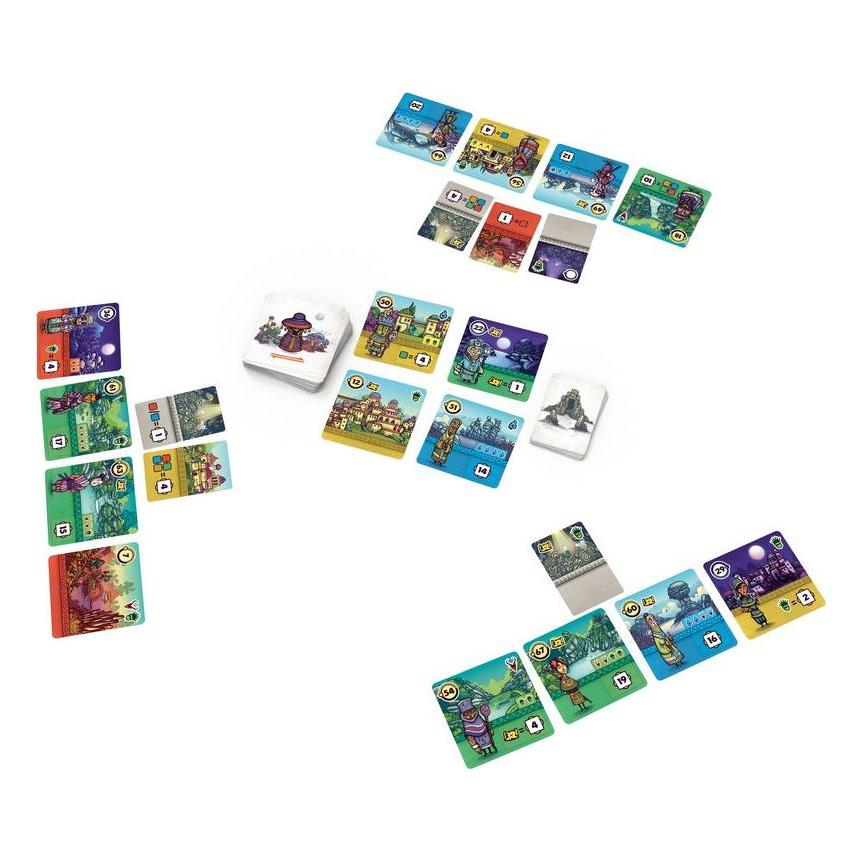

Splendor Duel
A two-player adaptation of the popular game Splendor. Face off against your opponent's guild by buying cards, earning royal favor, and using your privileges to achieve one of the 3 possible victory conditions.
| 2 players | 30 min | Ages 10+ |



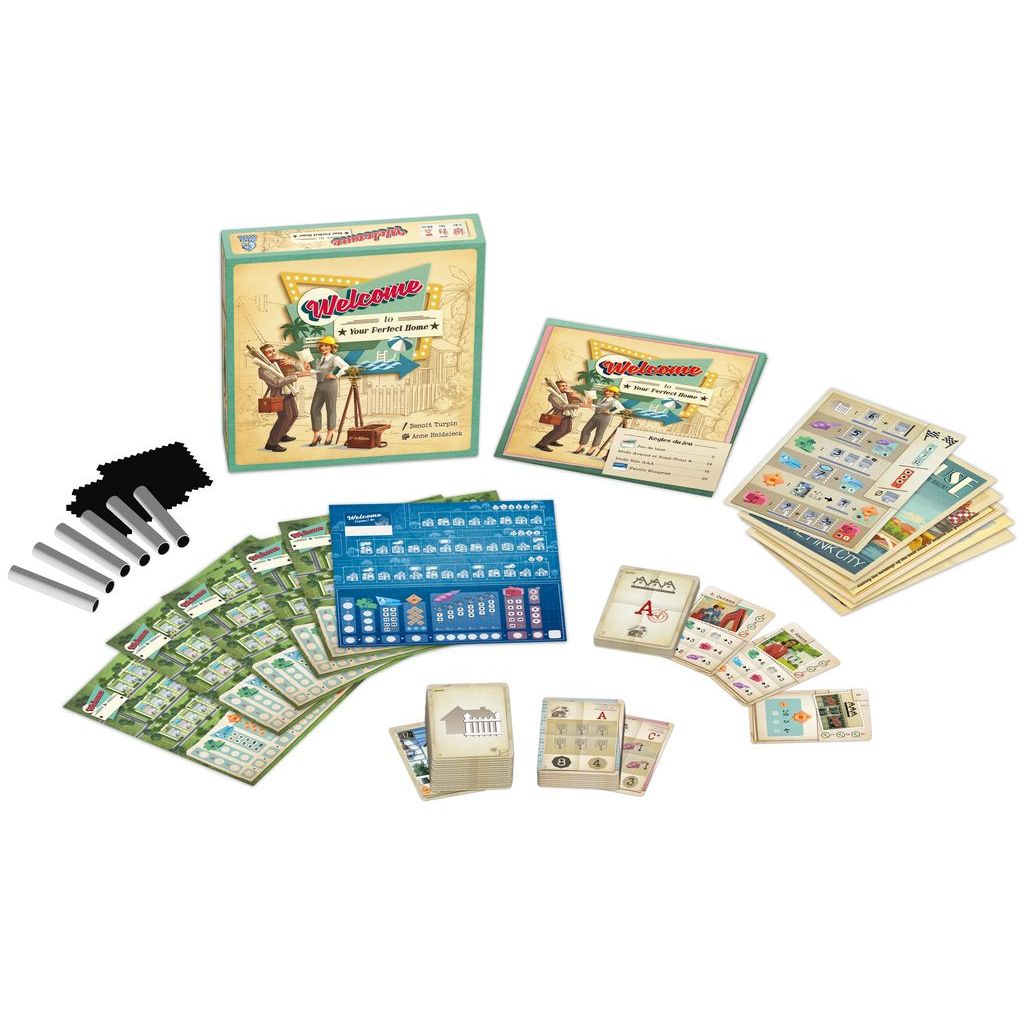
Bienvenue
Welcome is a strategy and placement board game where all players play simultaneously with the same card draw. Each turn, you must cleverly combine house numbers with associated actions to develop your neighborhood and become the best architect of tomorrow.
Accessible, fluid, and clever, Welcome is a family-friendly and social board game that appeals to beginners and expert players alike. Thanks to its common drawing system, games are dynamic and without downtime. Use logic, anticipation, and creativity to build the most beautiful housing estate and score the maximum number of points.
A must-have in any game library, ideal for playing with family, friends, or on game nights.
| 1 to 6 players | 25 min | Ages 10+ |


Gateway Games: Understanding Why These Games Change Everything
The term gateway gamerefers to a title that serves as an entry point into modern strategy games. Neither too simple like a classic board game nor too complex like an expert game, it occupies a perfect space for beginners: accessible from the first play, yet rich enough to make you want to delve deeper.
What distinguishes a true gateway game from a merely easy game is its hidden pedagogy. Carcassonneteaches you how to optimize limited space. Ticket to Rideintroduces you to resource management and secret objectives. King of Tokyohelps you discover risk management through dice. Takenokofamiliarizes you with medium-term planning. Each of these titles establishes a playful vocabulary that you will reuse in much more complex games.
Here's which gateway game to choose based on your profile. For players coming from Monopoly, start with Ticket to Ride Europe: the same spirit of territorial conquest, but without the frustration of long, endless games. For those coming from classic card games, Jaipuror Skull Kingoffer real strategic depth in a familiar card format. For visual players who enjoy building, Kingdomino, Akropolis, or Captain Flipreward observation and spatial anticipation. For cooperative game enthusiasts, Pandemicremains the absolute benchmark cooperative gateway game: everyone wins or loses together, which removes all pressure on new players.

The beginner's roadmap, from your first game to expert titles
Starting with strategy gamesis like learning a language. There's a logical order that makes each step easier.
Step 1: The Foundations, 0 to 3 months
Begin with 2 or 3 titles from our top 15. A tile-laying game like Kingdominoor Carcassonne, a management game like Ticket to Rideor Jaipur, and a cooperative game like Pandemicor Forêt Mixte. At this stage, the goal isn't to win but to understand why you lose. Every defeat is a strategic lesson.
Step 2: Deepening Understanding, 3 to 6 months
Once these foundations are established, you can move on to slightly more complex titles available at Loufoque: 7 Wonders, the big brother of Architects, Takenokowith richer action management, Azulfor demanding scoring optimization, or Splendor Duelfor engine building in a duel. These games require planning several turns ahead and anticipating opponents' actions, a key skill for what comes next.
Step 3: Leveling Up, 6 to 12 months
After 6 months of regular play on gateway games, you'll be ready for titles like Wingspan, Terraforming Mars, Rootor Brass Birmingham, all available at Loufoque. These games require an hour or more, dense rules, and true strategic mastery. But with the foundations built in the previous steps, you'll approach them with a solid gaming vocabulary.
The most important advice is not to try and progress too quickly. A player with 200 games of Ticket to Rideunderstands subtleties that a player of Terraforming Marswith 10 games has not yet grasped. The depth of a well-mastered gateway game is always better than an expert game poorly understood.
Beginner strategy games by mechanic, find your style
Company strategy covers dozens of different mechanics. Here's how to navigate based on what naturally appeals to you.
Tile Placement: build, optimize, anticipate
This is the most intuitive mechanic to start with. On each turn, you place a tile on the board, trying to optimize your position.Carcassonneis the absolute classic of the genre: a tile to place, a meeple to position, but true territorial reflection that evolves with each game.Kingdominois even more accessible with 15 minutes of gameplay, domino tiles, and a kingdom to build.Captain Flipadds a pirate touch and character combinations that already require more tactical thinking.
Resource Management: collect, spend, plan
Ticket to Rideis the perfect entry point: you collect colored train car cards to build railway lines. Seemingly simple, but each decision commits your strategy for the next 5 turns.Jaipurpushes hand management even further in a tense face-off.7 Wonders Architectshas you manage resources to build a wonder of the world, an elegant introduction to civilization building.
Cooperative Games: win together
Ideal for groups where everyone is starting at the same time.Pandemicis the reference: you embody specialists who work together to fight global epidemics. The pressure naturally builds, collective decisions are imperative, and losing together is almost as satisfying as winning.Forêt Mixteis a more recent and poetic alternative, perfect for those who want a visual and serene experience.
Scoring and Observation: place just right to score better
AzulandAkropolisbelong to this family: you collect elements to place them according to precise scoring rules. The mechanic is simple, but optimizing your score quickly becomes an obsession.Farawaycompletely reverses the usual logic by scoring in reverse, which forces the beginner's brain to think differently from the start.
FAQ - All your questions about strategy games for beginners
What is a beginner strategy game?
A strategy game for beginners, also called a gateway game, is a title that introduces strategic mechanics without overwhelming the player. Key criteria include rules explained in less than 10 minutes, a reasonable game duration of 30 to 60 minutes, and a balance between luck and reflection that allows a novice to remain competitive against a more experienced player. Kingdominoor Carcassonneare perfect examples: one rule, one decision per turn, but a real tactical depth that reveals itself over the course of games. Complexity always comes from the game itself, never from the rules.
Which strategy game should I choose to start with?
If you can only choose one, pick Ticket to Ride Europe. It's the most played gateway game in the world and there's a reason for that: the rules fit on one page, the theme is immediately understandable, and the strategic tension naturally builds throughout the game. For beginners playing as a duo, Jaipuror Splendor Duelare ideal, faster, more intense alternatives, perfect for introducing a partner. For a family introduction, King of Tokyoor Takenokocreate immediate excitement even among the most reluctant players.
What strategy games are suitable for the whole family?
For family play, the best beginner strategy games are those that involve all players simultaneously and avoid long waiting times.King of Tokyoworks for ages 8 and up with dice, monsters, and a hidden strategy behind intuitive mechanics.Takenokovisually and tactically appeals to children aged 8 and up, as well as adults.Kingdominois playable from age 8 in less than 20 minutes, ideal for families with limited time.Carcassonneremains the ultimate multi-generational classic: no reading required, one tile to place per turn, and a real rivalry that naturally develops between players.
Which strategy games can two beginners play?
Strategic duels are among the most intense and accessible formats.Jaipuris the best strategic game for 2 beginner players: 30 minutes, trading and hand management, unexpected depth in a tiny card pack.Splendor Duelis the head-to-head version designed specifically for one-on-one play.Akropolisworks very well with two players and offers real spatial thinking in 25 minutes.Farawayis a little gem of reverse strategy where you score backwards from the play order, which surprises every game.
How long do beginner strategy games last?
The best introductory titles play in 15 to 60 minutes, short enough that no one gets bored, long enough for strategy to unfold. Kingdominoand Captain Flipplay in 15 to 20 minutes. Jaipur, Akropolis, Farawayand Welcomeplay in 20 to 30 minutes. Carcassonne, King of Tokyoand Forêt Mixteplay in 30 to 45 minutes. Ticket to Rideand Takenokoplay in 45 to 60 minutes. The first few games always take a little longer, which is normal as you're learning. From the second game onwards, the pace naturally picks up.
How to progress from beginner to expert games?
Skill development comes naturally if you choose the right progression path. Start with tile-layingor set collectiongames like Carcassonne and Kingdomino, then move on to resource managementwith Ticket to Ride and 7 Wonders Architects, and finally to more complex mechanics like drafting, action management, or engine-building. Within 6 to 12 months of regular play, you'll be ready for titles like Wingspan, Terraforming Mars, or Root. The important thing is never to skip a step: each gateway game provides you with a gaming vocabulary that makes the next one easier to understand.